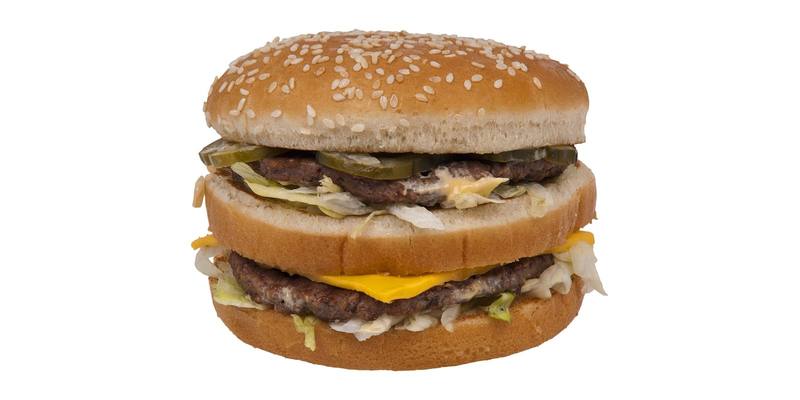
A McDonald’s Big Mac. Image: Evan-Amos / Wikimedia Commons, Public domain, cropped

McDonald’s is leaning on AI to set menu prices across the US and some other countries, and one of the things it weighs is how much each restaurant’s customers are willing to pay. Reuters revealed the details on Tuesday, after reviewing screenshots of the company’s pricing engine and speaking to nine people with first-hand knowledge of it.
“The optimal price”
According to Reuters, the system uses machine learning to analyse millions of daily transactions across McDonald’s nearly 14,000 restaurants, and produces what the company calls “the optimal price” for every item at every location, from a Big Mac to discounted coffee for seniors.
Screenshots of the tool that franchisees use, seen by Reuters, show messages such as “Your restaurant is showing MEDIUM SENSITIVITY to Price”, based partly on “customer willingness to pay in your area”. The platform also pulls in the prices of nearby rivals, including Wendy’s and Burger King, from their online menus. Both chains told Reuters they don’t use AI to set prices.
The result, three franchisees said, is bigger price gaps for the same item between restaurants, even between neighbourhoods. Reuters found one company-run store in Fresno, California selling a Big Mac for $5.69 while another two miles away charged $6.89, 21% more, though it couldn’t confirm whether the engine was behind that gap.
“A tool, not a mandate”
McDonald’s says its franchisees set their own prices. But five owners told Reuters they were pressured to use the tool, and since January the company’s business standards have required franchisees to be “constructively engaging with McDonald’s approved Pricing Consultant and Tools”, according to an internal message Reuters saw. A June document shows the company records in detail when franchisees ignore its recommendations.
In a statement to Reuters, McDonald’s called the pricing portal “a tool, not a mandate”, said costs vary between stores even a few miles apart, and dismissed the reporting as “speculative and uninformed”. It has used some form of AI pricing tool since at least 2019.
The engine hasn’t only pushed prices up. Franchisees said it recommended big increases during and after the pandemic, but has lately suggested more cautious pricing, including some cuts. That suits McDonald’s, which takes a share of each restaurant’s sales, more than the franchisees, who want higher prices to cover rising wages and rent.
An antitrust worry
AI pricing is a sore spot. Wendy’s faced a backlash in 2024 when it talked about “dynamic pricing”, and Instacart dropped AI tools that showed different shoppers different grocery prices after criticism last December. US courts and regulators are also looking at whether shared pricing algorithms can let competitors coordinate prices.
McDonald’s itself seems aware of that risk. The legal terms for its pricing portal, seen by Reuters, warn franchisees that they could face antitrust scrutiny because restaurant owners “may be competitors”.
Why it matters
This is AI quietly deciding everyday prices for millions of people, based partly on what the system thinks they’ll put up with. If one of the world’s biggest restaurant chains does it at this scale, expect regulators, and customers comparing prices between branches, to take a much closer look.
Sources: Reuters (September 29, 2026).
Latest Business news