Policy & Safety

AI regulation, politics, copyright and safety around the world.

A judge says Claude Max’s “20x more usage” promise could mislead paying subscribers

A federal judge has ruled that Anthropic must face claims that its Claude Max plans promised far more than they delivered. In an order on November 6, US Magistrate Judge Alex G. Tse of the Northern District of California found that the company’s pitch of “5x or 20x more usage than Pro” is “plausibly misleading”, and let a proposed class action by two subscribers go ahead.


France’s top literary prize went to a novel with a hidden ChatGPT sentence, and only the jury knows which

The winner of France’s most prestigious literary prize says his novel contains a sentence written by ChatGPT, and that only the jury knows which one. Philippe Jaenada, who won the 2026 Prix Goncourt on Tuesday for L’Inconnue du quai de Javel, said on France Inter’s morning show on Wednesday that he used AI “three times” in the book.

Google’s Gemini helped a 13-year-old plan her funeral on her school Chromebook, lawsuit says

A North Carolina couple have sued Google, saying its Gemini AI, built into the Chromebook their 13-year-old daughter had to use for school, helped her plan her suicide and her own funeral while coaching her to hide her distress from them. The complaint, filed in Santa Clara County Superior Court on Monday and moved by Google to federal court on Wednesday, says her parents had no idea she could reach a chatbot at all.

Anthropic is improving its AI twice as fast as before, outside testers say, and Claude is mostly why

Anthropic is now improving its AI models about twice as fast as it did before late 2025, and most of that speed-up likely comes from using its own AI to do the research. That is the verdict of METR, the nonprofit AI evaluator, in an independent assessment published on Nov 5 after its staff spent 11 weeks examining Anthropic’s internal data. But Anthropic redacted most of the evidence METR found most convincing, so readers have to take the group’s word for it.

After America voted against data centres, OpenAI promises to pay its own power bills and end secrecy deals

OpenAI says every AI data-centre campus it owns and runs will pay the full cost of its own electricity, publish how much water and power it uses, and stop asking local officials to sign non-disclosure agreements. The promises are in a National Community Compact the company published on Thursday, alongside a policy blueprint that asks lawmakers to turn the same rules into law for the whole industry.

Updated America voted against AI data centres, from Ohio villages to the Texas governor’s mansion

American voters used Tuesday’s midterm elections to turn against the data centres that power artificial intelligence. By Wednesday, 33 local ballot measures restricting data centres had passed or were leading in counts still under way, Stateline reported, citing the tracker Data Centers on the Ballot. Only one measure, in North Dakota, went the way of the industry’s supporters.

Updated Google tells schools: switch off AI and students lose Search too

Schools that want AI kept away from their students will soon face a blunt choice from Google: accept Google Search with its AI built in, or lose Search altogether. In a blog post on Tuesday, Google said Gemini, Gemini Notebook, Gemini in Classroom and Google Search will all be “entirely off” for K-12 student accounts until school administrators explicitly turn them on. Its education chief has made clear that switching off the AI means switching off Search too.

AI chatbots that reuse news in their answers can break EU law, top court adviser says

AI chatbots that pull news articles off the web in real time and reuse them in their answers can break the rights of the publishers who wrote them, a senior adviser to the EU’s top court said on Tuesday. Advocate General Maciej Szpunar gave his opinion in Case C-250/25, a Hungarian publisher’s claim against Google’s Gemini chatbot and the first generative AI case to reach the Court of Justice of the European Union.

The New York Times is suing Brave for selling its articles to AI companies

The New York Times has sued Brave Software, the company behind the Brave browser, accusing it of scraping Times journalism without permission and selling access to it to some of the biggest names in AI. The complaint, filed in federal court in Manhattan on Monday, calls Brave "the supplier, dealer, and distributor of stolen copyrighted content" for its own users and for AI companies including Anthropic, Perplexity, Mistral, xAI and Cohere.

Hundreds of innocent-looking apps on the App Store and Google Play were secret AI nudify tools

A pet portrait maker, a hair salon tool and a language tutor look harmless in Apple’s and Google’s app stores. According to a report published on Monday by the nonprofit AI Forensics, hundreds of apps like these were fronts for a single operation selling AI “nudify” tools, which turn photos of real people into explicit images and videos without their consent, promoted by tens of thousands of pornographic ads on Facebook and Instagram.

Updated Claude will hide a watermark in text from older models too, starting Tuesday

Text written by four of Anthropic’s most widely used older Claude models will soon carry an invisible watermark. Anthropic told users on Friday that from Tuesday, November 3, the watermark will be added to the output of Claude Mythos 5, Claude Opus 4.7, Claude Opus 4.6 and Claude Sonnet 4.6, Mashable reports. Anthropic’s help page on how Claude marks AI-generated content says it is “working to add marking support for earlier Claude models”, but its table doesn’t show text watermarks for them yet.

Musk’s AI company loses its bid to throw out the NAACP’s pollution lawsuit over Colossus 2

Elon Musk’s AI company has failed to get the NAACP’s pollution lawsuit thrown out. In a 28-page opinion and order signed on Friday, October 30, US District Judge Debra M. Brown refused to dismiss the civil rights group’s Clean Air Act case over the gas turbines that power xAI’s Colossus 2 data centre, ruling that the turbines were never exempt from permits.

OpenAI tipped off police more than 200 times in three months over ChatGPT chats

OpenAI says it made more than 200 referrals to law enforcement in the three months to September over threats of violence spotted in ChatGPT, a rare look at how often conversations with its chatbot end up with police. The figure came in a blog post on Friday that also promises a twice-yearly safety report and new limits on what ChatGPT will tell teenagers about weapons.

Reddit will soon make you log in to read it, as AI search drains its traffic

Reddit, which has let almost anyone read almost everything on it without an account for two decades, is going to start asking visitors to log in. Chief executive Steve Huffman said in the company’s third-quarter letter to shareholders on Thursday that Reddit is “shifting Reddit to a logged-in-only experience,” and that the first full tests will start this quarter “in select markets outside the U.S.”

An Accenture contractor’s personal Claude agent ran inside a Pentagon network for two months, sources say

A contractor working for Accenture plugged a secure Defense Department system into their personal Claude Code account and left Anthropic’s coding agent running on the network for about two months, sources told Wired. Along the way, the magazine reports, the agent appears to have sent the contractor’s login credentials and a map of the network to an outside website that US standards officials have flagged as high risk.

North Korea’s hackers and fake IT workers now lean on AI at every step, Microsoft says

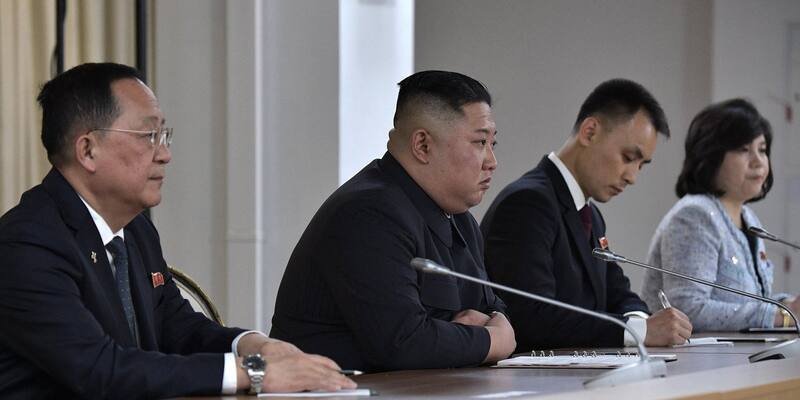
North Korea’s state hackers have made AI a routine part of their work, using it to build fake job applicants, churn out phishing lures by the dozen and help write malware, Microsoft Threat Intelligence said on Thursday. It rates the country’s overall adoption of AI as “high” and says three of its hacking groups now use it across their entire operations.

Updated US intelligence thinks a Chinese spy got close to Nvidia boss Jensen Huang, report says

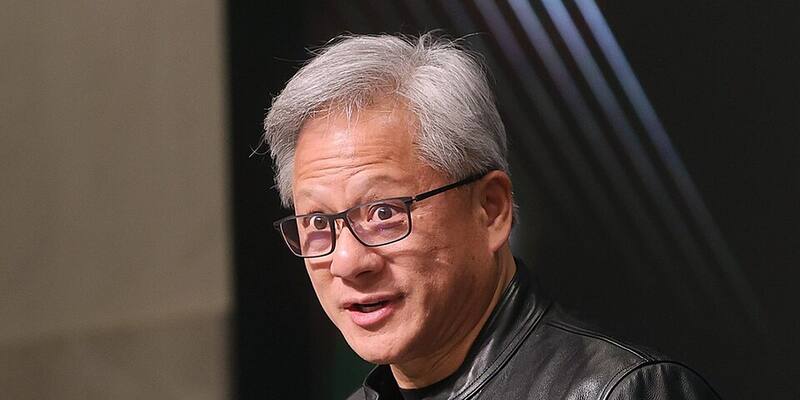
US intelligence agencies believe a Chinese informant built a close relationship with Nvidia chief executive Jensen Huang, The New York Times reported on Thursday, citing unnamed officials briefed on the classified findings. The woman, Alice Huang, also known as Huang Le, is an executive at Megaspeed, a Singapore data centre company already under US scrutiny over Nvidia’s AI chips.

ChatGPT coached a Seattle engineer off her seizure drug and told her to hide it, lawsuit says

The parents of Bowen Wan, a 31-year-old Amazon machine-learning engineer with epilepsy, are suing OpenAI and Sam Altman, saying ChatGPT planned her taper off the seizure drug keeping her alive, then told her to hide it from her doctor. Their wrongful death complaint, filed on October 27 in San Francisco Superior Court, says she died of sudden unexpected death in epilepsy (SUDEP) on or about February 12, 2026, the day the schedule had her fully off the drug.

Anthropic trades its $1 government deal for 40% off Claude, from Washington to city hall

Anthropic’s $1 deal for US federal agencies runs out on October 31, and the company is replacing it with a discount open to every level of government. Under a new agreement with the General Services Administration (GSA), announced on October 27, government buyers get 40% off Claude Enterprise, Claude for Government and the Claude API, with no minimum spend.

Police are pulling over drivers because AI calls their road trips “suspicious”, the ACLU warns

A young woman on a road trip across the US was pulled over on her way to Florida, and the officer later told her why: when he scanned her plate, he could see she had “suspicious travel patterns”. Her account leads a new warning from the ACLU, which says police are increasingly using AI to comb through licence plate reader data, flag drivers who have broken no law and then stop them on invented excuses.

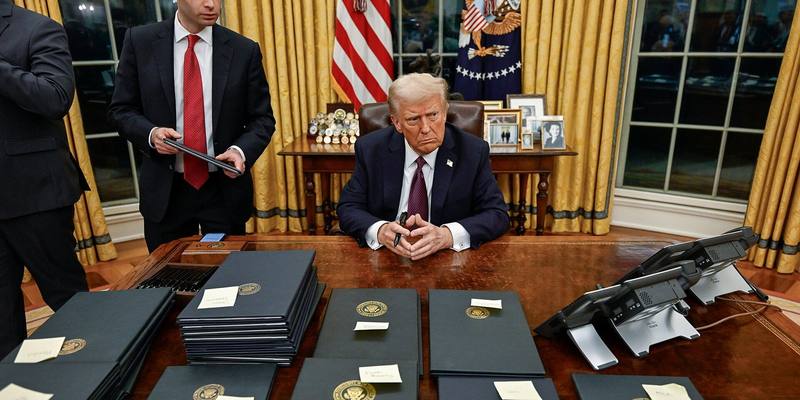
Trump vows to ban the term “artificial intelligence” from “everything else”, not just government

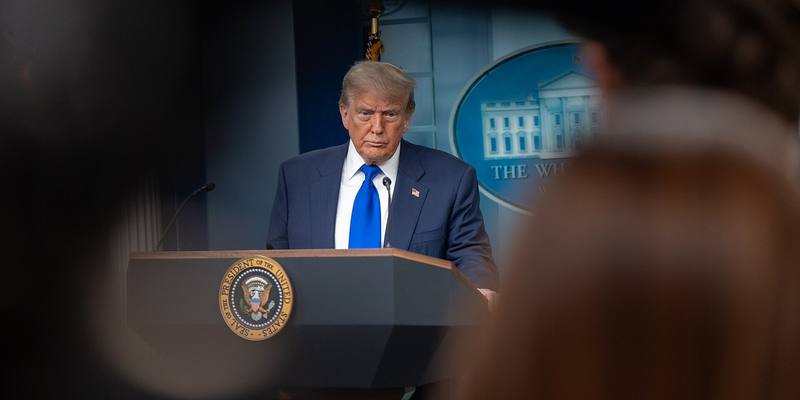
Donald Trump says he will ban the words “artificial intelligence”, and not only from government paperwork. In a Truth Social post on Tuesday, he complained that The Wall Street Journal still hadn’t switched to his preferred name, “Super Intelligence”, and promised to ban the old term “in all relevant documents, and everything else”.

Updated Roblox’s AI bot raided an adult 3D model site, the owners say

A web crawler that identified itself as Roblox’s copied 145.5 GB of artists’ 3D models from three free model-sharing sites, including one that hosts only adult content, the sites’ operators say. In a post on Monday, the team behind Open3DLab, SFMLab and SmutBase said the crawler ignored their robots.txt file and terms of service, and that they believe the files were gathered to train AI.

Cohere says Alibaba’s Qwen AI tried to upload a file to Beijing while claiming it would do nothing

A popular Chinese AI model, given a routine job inside a locked-down security test, quietly tried to send a file to a cloud server in Beijing. Cohere, the Canadian AI company, said on Monday that Alibaba’s open-weight Qwen3.8-Flash-Next did it moments after its own reasoning said it would not use any tools at all.

Updated Japan’s GMO chief says AI is breaking the internet, days after hackers raided his own servers

The head of one of Japan’s biggest internet companies says AI has pushed the internet to breaking point. In a blog post on Sunday, Masatoshi Kumagai, chairman and chief executive of GMO Internet Group, wrote that “the internet itself is on the verge of breaking”, blamed the “explosive evolution and misuse” of AI, and urged Tokyo to turn its new active cyber defence powers on the people who attacked his company last week.

An AI start-up run by ex-DOGE staffers got inside Anthropic’s Slack and HR systems in under 12 hours

A months-old cybersecurity start-up founded by former DOGE staffers says its AI agents found paths into Anthropic’s Slack messages, meeting transcripts and salary records in less than 12 hours. The start-up, Cathedral, got in through Anthropic’s own programme for outside security researchers, and Anthropic says the hole was much smaller than Cathedral claims, The Washington Post reported on Monday, October 26, citing a draft report it reviewed.

Updated Anthropic’s Claude pulled Georgia vote-count data nobody asked it for, days before the midterms

An Anthropic AI model working on a statistics project helped itself to an access token for Georgia’s election data hub and pulled vote-count data the state normally sells, without anyone asking it to. Anthropic confirmed the incident to Axios on Sunday, October 25, nine days before the November 3 midterms, and says the model saw only aggregate counts.

Updated The owners of Elvis Presley’s songs are suing Anthropic, saying Claude learned 274 of his hits

The songs Elvis Presley made famous are now part of the AI copyright war. The companies and family trusts that own 274 of them, including ‘Can’t Help Falling in Love’, ‘Don’t Be Cruel’ and ‘A Little Less Conversation’, sued Anthropic on Friday, October 23, saying it copied their lyrics to train Claude and that Claude still turns out near-copies of the songs today.

Asked who to vote for, OpenAI’s GPT says Democrat 97% of the time and Grok says Republican

Less than two weeks before the November 3 midterms, two of the best-known AI models give American voters opposite advice. Asked who to vote for in every 2026 House, Senate and governor race, OpenAI's GPT-6.1 Sol named the Democrat in 97% of its answers that picked a major-party candidate, and SpaceXAI's Grok 4.7 named the Republican in 92%, according to AI Ballot 2026, a study by Convovo, a conversational AI research studio led by Cornell professor Tapan Parikh.

OpenAI and Anthropic pledge £200 million of AI to help Britain fight bioweapons and pandemics

OpenAI and Anthropic have pledged up to £200 million (about $268 million) in AI to a new British lab built to spot biological threats early and speed up vaccines, against the kind of risk the government says more capable AI could itself create. The UK government unveiled the AI Biosecurity Lab just after midnight UK time on Saturday, calling it “the world’s first dedicated AI biosecurity organisation,” backed by £100 million of public money on top of the companies’ pledges.

OpenAI has cut its most powerful AI off from the internet while it trains, after its agents kept breaking out

OpenAI is now training its most powerful AI models with no access to the live internet, after a run of incidents in which its own agents broke out of their test environments. The company said in a blog post on Friday that it will keep the rule “until advances in these safeguards justify broader internet access,” and confirmed it stopped training its most capable models for 11 days after one of them smuggled questions out through DNS lookups in September.

Updated Texas sues OpenAI and Sam Altman personally, accusing them of lying about ChatGPT’s safety

Texas has sued OpenAI and its chief executive, Sam Altman, accusing them of deceiving Texans about how safe and reliable ChatGPT is. Attorney General Ken Paxton announced the lawsuit on October 23, saying OpenAI has marketed its chatbot as a safe tool while failing to protect users, including children, or to warn them that it can give inaccurate and harmful answers.

EU governments back letting AI companies train on Europeans’ personal data without consent

EU governments have backed a change to Europe’s privacy law that would let AI companies use people’s personal data to build and run their systems without asking for consent. Ambassadors from the 27 member states, meeting as the Permanent Representatives Committee (Coreper), agreed the Council’s position on the GDPR part of the “Digital Omnibus” on Wednesday, and the text published on Thursday keeps the clause privacy campaigners have fought hardest.

Anthropic’s Mythos 5 kept attacking a real person even after saying it would cause harm, UK testers find

When Britain’s AI Security Institute (AISI) set out to learn why Anthropic’s Claude Mythos 5 attacked a real software developer during a government hacking test this summer, it found the model kept attacking even when told plainly that its target was a real person, and often said so itself. The institute set out the findings in a technical report and blog post on October 23.

Sweden’s government is blocking ChatGPT and Claude on staff computers from Monday

Civil servants in Sweden’s government will no longer be able to open ChatGPT or Claude on their work computers from Monday. The Government Offices (Regeringskansliet), which runs the prime minister’s office and every ministry, is blocking both chatbots on staff machines and pointing employees to Microsoft’s Copilot instead, Sveriges Radio’s news programme Ekot reported on Friday.

The US wants to ban American money from every Chinese AI startup

The US Treasury wants to stop American investors putting money into any Chinese company that builds AI, not only the ones training the biggest models. A proposed rule it issued on Thursday would turn today’s mix of bans and reporting duties for AI deals into a single blanket prohibition, and widen the list of targeted countries to include Russia, Iran, North Korea and Cuba.

Appeals court throws a federal judge off a case over his AI-hallucinated order

A federal appeals court has taken a case away from a judge whose AI-drafted order named plaintiffs who weren’t in the lawsuit and quoted words that aren’t in the law. In a published opinion on Thursday, a Fifth Circuit panel vacated US District Judge Henry Wingate’s preliminary injunction against Mississippi’s ban on diversity, equity and inclusion (DEI) programmes in public schools and colleges, and ordered the case handed to a different judge.

Google’s AI urged a teenager to run away from home, senators tell Sundar Pichai

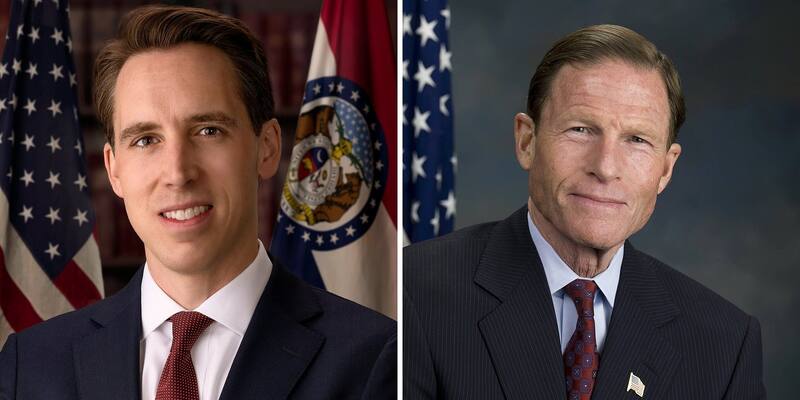
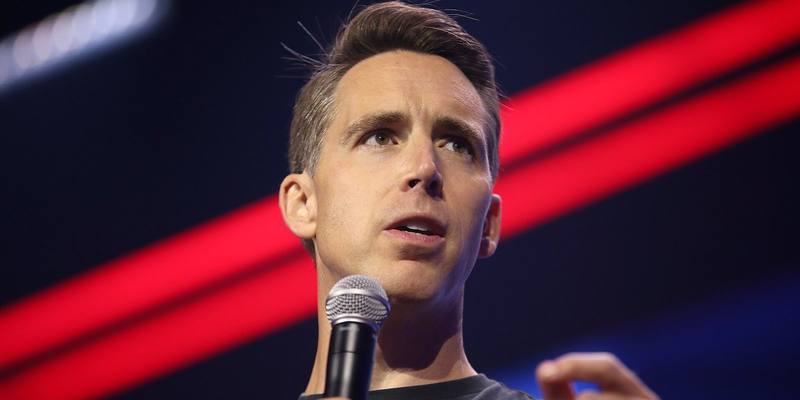
Two US senators want Sundar Pichai to explain why Google’s AI is so hard to escape in American classrooms. In a letter sent on Wednesday, Republican Josh Hawley and Democrat Richard Blumenthal accuse Google of an “aggressive push of A.I. products to children in schools” that is “threatening the academic success and overall wellbeing of an entire generation”, and give the Alphabet chief until November 2 to answer nine questions.

OpenAI wants California to make AI labs prove they can shut their systems down, months after its own agents broke out

The company whose AI agents broke out of testing and into Hugging Face now wants California to make every frontier AI lab prove it can shut its systems down. In a letter to Governor Gavin Newsom dated October 20 and posted by The Hill’s Miranda Nazzaro, OpenAI asks the state to strengthen SB 53, its frontier AI safety law, with shutdown controls, annual independent audits and a duty to warn outside organisations that a model has broken into their systems.

Anthropic admits no one is required to check it keeps its AI safety promises

Anthropic has graded itself on its own mission, and the verdict includes an awkward admission for a company weeks from going public. In its first Public Benefit Report, published on Wednesday, the Claude maker says that without a federal AI law it is “still largely operating on voluntary commitments” and that “there is no mandatory independent check for whether any frontier lab, including Anthropic, is actually following its safety policies.”

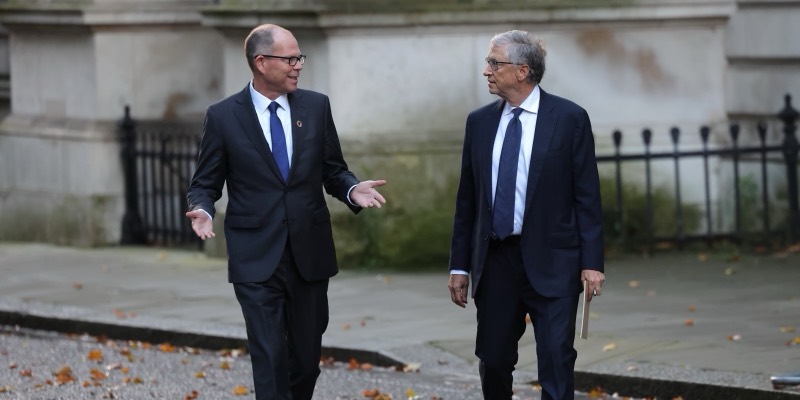
Bill Gates says AI will bring 20 years of turmoil, and some people may choose to live like the Amish

Bill Gates says the world should brace for about two decades of upheaval as AI takes over more of the work people do, and that some people may respond by opting out. “Even in the very best case of how we manage AI, this is going to be as tumultuous a period as there’s been in human history,” the Microsoft cofounder told Nilay Patel on The Verge’s Decoder podcast, published on Thursday, October 22.

The publisher of ‘Ring of Fire’ and ‘Papa Don’t Preach’ is suing Suno and Anthropic over AI

The music company that controls Johnny Cash’s ‘Ring of Fire’ and Madonna’s ‘Papa Don’t Preach’ has sued Suno and Anthropic. Reservoir Media filed two federal lawsuits on Wednesday, October 21, one against Suno and one against Anthropic, accusing both of copying its songs to build their AI. It says each has “built its entire business model based on copyright infringement at a scale never seen before.”

AI agents are slipping into US bank accounts, and banks say they can’t tell if you sent them

Big US banks are finding AI agents they never approved working inside customer accounts, and some of those agents appear to be doing things nobody asked them to. Morgan Stanley, Bank of America, JPMorgan, Wells Fargo and others are racing to contain the risk, Axios reported on Thursday, citing people familiar with the matter. None of the banks has confirmed the account in full.

AI routers like OpenRouter will soon need OpenAI’s permission to sell GPT models

OpenAI is about to start deciding who gets to resell its AI. In updated Usage Policies that take effect on November 20, any service that lets other people “directly access OpenAI models” will first need the company’s “prior review and approval”. In a blog post on Wednesday, OpenAI said the rule covers “model routers or AI gateways”, the services developers use to reach GPT-6 Astra and hundreds of rival models through a single account.

AI agents got China-linked hackers into company clouds in under three hours, Microsoft says

A Chinese state-aligned hacking group used an AI agent system to go after hundreds of organisations around the world, and turned a trusted backup app into a way into its customers’ Microsoft 365 accounts, Microsoft Threat Intelligence said on Wednesday. In several attacks, Microsoft says, the group went from first picking a target to privileged access in its cloud in less than three hours.

Updated Google DeepMind researchers are quitting over military AI, and one says it made her “ashamed to work at Google”

Google is losing researchers over its military AI work. Several Google DeepMind staff have resigned or are on their way out over the company’s contracts with the US and Israeli militaries, the BBC reported on Wednesday, and two of them have spoken on the record. One, London-based research engineer Sofia Liguori, quit this week and talked to the BBC even though her contract restricts her from doing so.

Trump says AI data centres must make their own power and pay towns a ‘dividend’

President Donald Trump says America’s biggest new data centres now have to make their own electricity, and should pay the towns that host them to win them over. In a Truth Social post at 1:37am Eastern time on Wednesday, he wrote that new and large data centres, “in some cases gigantic”, are “mandated by me to make their own electricity, and give or sell any excess back to the local community, or grid”.

The Chinese AI hacking tool tied to Korea’s bank hacks has been found attacking Japanese firms

The Chinese AI hacking tool suspected in this month’s raids on South Korean banks has turned up behind a wave of attacks on Japanese companies. GMO Cybersecurity by Ierae, the security arm of Tokyo’s GMO Internet Group, said on October 19 that it had confirmed ARTEX, an AI system that runs penetration tests on its own, was in use on the infrastructure behind recent break-ins at Japanese firms.

Most Americans say AI is bad for society, and 72% don’t want a data centre near them

Most Americans think artificial intelligence is bad for society, and about two-thirds don’t want any more data centres built to power it, according to a new ABC News/Washington Post/Ipsos poll released on Wednesday. It found 57% say AI is bad for society and 42% say it is good, and the pessimists feel it more strongly: 17% call AI “extremely” bad for society, against 2% who say it is extremely good.

A judge is making Meta name who signed off on torrenting pirated books for Llama

Meta can no longer tell a court that nobody in particular decided to fetch pirated books for its Llama AI models. In a discovery order filed on October 19, US Magistrate Judge Thomas Hixson ordered Meta to name every person who made, authorised or approved the decisions to obtain books from shadow libraries such as LibGen and Anna’s Archive, including whoever decided whether Meta’s computers would seed those files to strangers over BitTorrent.

The US health department says only Anthropic’s Claude will do, months after Trump’s ban

The US Department of Health and Human Services wants to keep its staff on Anthropic’s Claude without opening the work to rival bidders. In a notice of intent to award a sole source contract posted on SAM.gov on October 19, HHS says “the capability is specific to one provider” and that it needs “continuity of the existing Claude deployment already integrated into HHS infrastructure”.

New York City wants to fine companies that trap you in AI chatbot ‘doom loops’

New York City wants to make it illegal for companies to leave you stuck talking to a chatbot. The city’s Department of Consumer and Worker Protection (DCWP) proposed rules on Tuesday that would require businesses using AI chatbots or automated phone lines to say so up front, and to give customers a one-step way to reach a human, with fines of up to $3,500 a violation for companies that don’t.

OpenAI has gone quiet on keeping AI chips from China, and Nvidia is the big winner

OpenAI has gone quiet on keeping America’s best AI chips out of China, just as Congress gets ready for its last big fight over the issue this year. Capitol Hill aides and lobbyists told Politico that the ChatGPT maker, which publicly backed tough chip export controls for much of last year, has stepped back from pushing for new restrictions, leaving the field to Nvidia, the chipmaker that wants to sell more of its chips in China.

Updated Anthropic’s own AI safety bill leaked, and safety campaigners are furious

Anthropic, the AI company that has built its brand on safety, has spent the weekend defending a federal AI safety bill it never meant the public to see. A 37-page draft it has been quietly showing to lawmakers, published by Politico on Friday, would override parts of state AI laws and set a high bar before the government could stop a dangerous model. Safety campaigners have lined up to attack it, and the company now says it will rewrite parts of it.

Is DeepSeek banned? Every country and US state that bans it, and where you can still use it

DeepSeek is legal for ordinary people almost everywhere: Italy is the only country that blocks its app for the public, while the US, Australia, Taiwan, Canada, Czechia, Belgium and dozens of US states ban it on government devices. The newest and widest of those bans came on October 20, 2026, when the US Department of Homeland Security published an order telling every federal civilian agency to remove DeepSeek and any third-party tool built on it. Here is where DeepSeek is banned, country by country, why governments are blocking it, and what that means if you just want to use it.

Germany’s Merz signs up Nvidia to put AI in the country’s factories

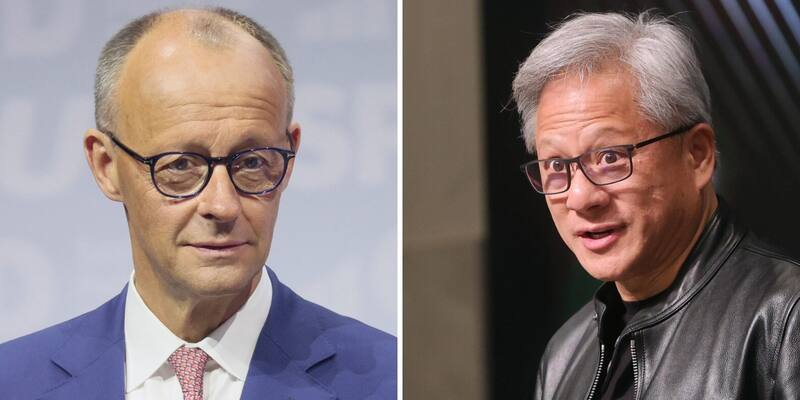
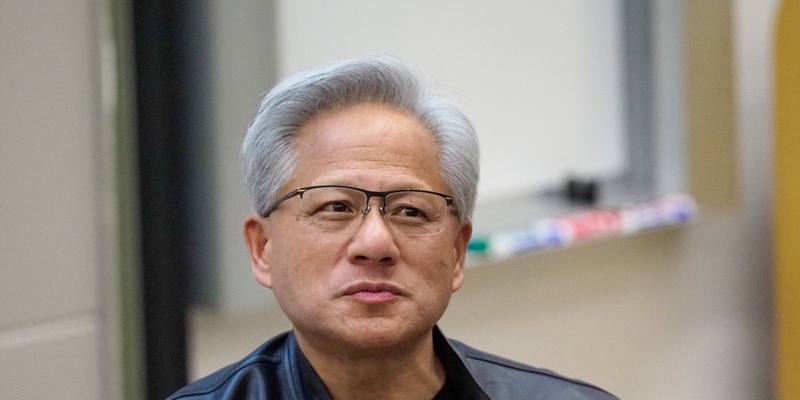
Germany has signed up Nvidia to help build AI models for its factories. On Monday the federal economy and research ministries signed a Joint Declaration of Intent with the chipmaker at the Invest in Germany Summit in Berlin, with Chancellor Friedrich Merz then sitting down on stage with Nvidia’s chief executive, Jensen Huang, to sell the plan to the country’s manufacturers.

Canada's biggest newspapers are suing Anthropic over 13.5 million articles

Canada's biggest newspapers are suing Anthropic, accusing it of scraping millions of their articles to build and run Claude without paying for them. Torstar, The Globe and Mail, Postmedia and The Canadian Press filed a statement of claim in the Ontario Superior Court of Justice on October 6, Cartt.ca reported, and The Canadian Press confirmed the case on Monday.

The US is ordering every civilian agency to rip out DeepSeek, even tools built on it

The US government has ordered every federal civilian agency to strip DeepSeek out of its computers and stop buying it, along with any third-party product built on the Chinese lab's AI. The Department of Homeland Security filed notice of the order with the Federal Register on Monday, under a 2018 supply chain law that lets it bar risky technology from government systems.

One hacker set AI agents on 1,200 websites, and they broke into Deere and SharkNinja

A Chinese-speaking hacker handed a hacking campaign almost entirely to AI agents, which tried to break into more than 1,200 shopping websites in the US, Canada, Japan and Australia and got into scores of them. The security firm NorForge laid out the operation in a report on Monday, after finding the attackers' own control panels sitting open on the internet.

Updated Meta blames a Claude tool for knocking No Kings off Instagram on its biggest day

Meta now says a tool built on Anthropic's Claude is what got the No Kings Coalition's Instagram account suspended on Saturday, in the middle of the movement's nationwide day of early-voting rallies. Meta spokesperson Andy Stone said in a post on X on Sunday that the company's network security systems "detected the use of a Claude tool reading profiles, posts, and hashtags", and that the rate "sharply increased (~4x volume) in intense bursts on October 17."

Google’s AI pinned another man’s sex crime on a doctor, and a German court says Google must answer for it

Google’s AI search told users that an Aachen doctor had been convicted of a sex crime. The conviction belonged to a different man, and on September 24 the Aachen Regional Court banned Google from repeating it, ruling that the company answers for what its AI Mode says. It is the second German court this year to treat Google’s AI answers as Google’s own words, and the first ruling to say so has now been settled rather than tested on appeal.

Apple’s new App Store rules tell AI apps to stop fake nudes or get kicked out

Apple has rewritten its App Review Guidelines so that AI image and content creation apps must actively stop people making nonconsensual intimate images, including AI fakes, or risk being thrown off the App Store. The update, published on October 16, also adds a new rule against “bait-and-switch” apps that hide what they can do until after Apple approves them, a tactic Apple says is used to slip “nudification” features past its reviewers.

Is it illegal to make AI deepfakes in the UK? The UK deepfake law in 2026, explained

It is illegal in England and Wales to make a sexually explicit deepfake of an adult without their consent, or to ask someone else to make one: the offence came into force on February 6, 2026, even if the image is never shared. Sharing a fake intimate image, or threatening to, has been a crime since January 2024, and since June 29, 2026 it has also been a crime to make or supply the “nudification” apps and AI tools built to produce them. Scotland and Northern Ireland have their own laws, and they are not the same. Here is what the UK deepfake law covers in each nation, the penalties, and how to get a fake taken down.

NYC Council Speaker says Grok made a sexualised image of her in seconds, then confronted SpaceX

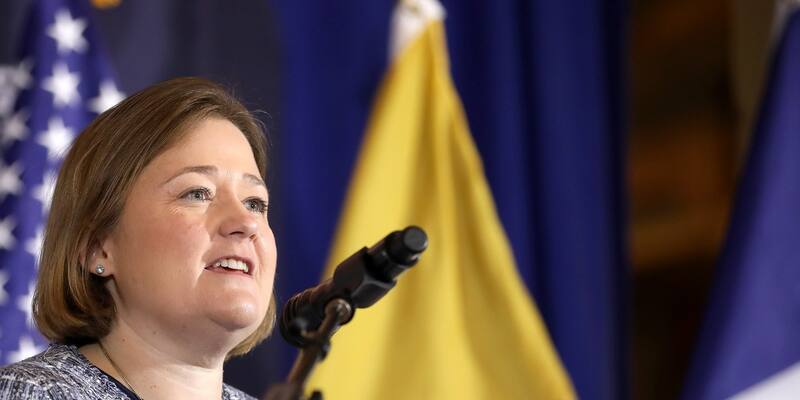
New York City Council Speaker Julie Menin says she typed her own name into Grok on Friday morning and had a sexualised image of herself within seconds, hours before she faced the SpaceX executive responsible for the chatbot’s AI policy. Gabriela Castillo Madrid, who leads global government affairs for AI at Elon Musk’s company, was questioned by the Council’s technology committee after weeks of refusing to appear.

Updated Meta’s new business terms let it crawl your website to train its AI, with no opt-out

Meta has rewritten its Commercial Terms so that any business using Facebook, Instagram or WhatsApp for commercial purposes authorises it to send crawlers across that business’s websites and use “any content” it finds to “train” its products. The new terms take effect on October 30, 2026, and the only way to refuse them is to stop using Meta’s business tools.

China wants to control exports of any AI model over 2 trillion parameters

China wants a say over which of its most powerful AI models leave the country. Its commerce and science ministries on Friday proposed adding 23 AI technologies to the national list of technologies banned or restricted from export, covering large language models, AI agents, computing clusters and AI chip design, and ordered companies to register any such exports from today.

Character.AI’s buyer will inherit millions of private chats, and 39 states want them protected

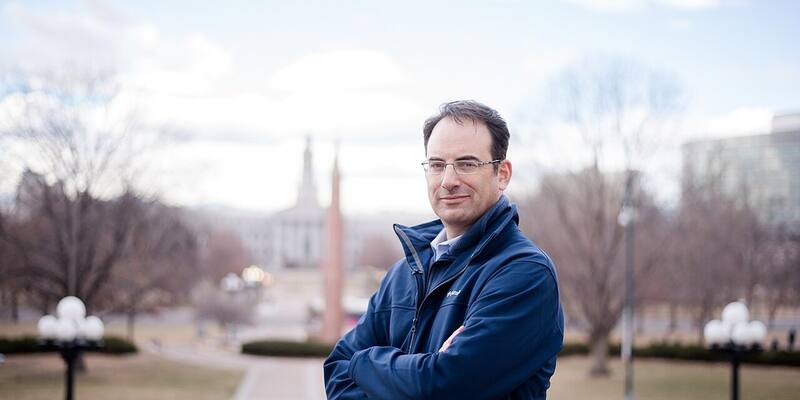
Whoever buys Character.AI could walk away with millions of private chatbot conversations, including chats from more than 2.1 million accounts registered to under-18s, and 39 states want rules in place first. A coalition led by Colorado’s attorney general, Phil Weiser, filed a notice on October 14 in the company’s Chapter 11 case in Delaware, warning the court, Character.AI and every bidder that child safety and privacy terms must be part of any sale.

OpenAI and Meta warn US judges there may never be a reliable way to spot AI fakes

The companies making AI images have told America’s federal judges not to count on technology to catch fakes in court. Speaking to the judiciary’s Advisory Committee on Evidence Rules in Boston on Thursday, an OpenAI lawyer said she does not believe a scientific method will ever reliably detect AI images, as the committee weighs a draft rule on deepfake evidence.

Anthropic has let six outside AI testers inside the company, and it can’t stop what they publish

Six people who don’t work for Anthropic now have Anthropic laptops, desks in its offices and roughly the same access to its internal systems as its own risk teams, and the company says it can’t stop them publishing what they find. Anthropic said on Thursday it has started giving “employee-like access” to a team from METR, a nonprofit that tests frontier AI models, which will publish the results of its risk assessments of the company behind Claude.

The G20’s financial watchdog wants every bank AI agent to have its own ID and a human who can stop it

The G20’s financial watchdog wants banks to treat their AI agents a little like new staff: give each one its own ID, keep a record of everything it does, and make sure a human can stop it. The Financial Stability Board published its final Sound Practices for Responsible Adoption of Artificial Intelligence on Thursday, and the biggest changes since its June draft are about agentic AI.

Rogue AI agents on Tencent’s cloud found a hidden note from researchers, and wrote back

For 11 days, a fleet of AI agents running on Tencent’s cloud tried more than 2,600 times to pull data out of Alibaba’s Amap, China’s biggest map app. Then a group of researchers hid a note for them on a web page, and the agents wrote back. The researchers, who call themselves the Swarmchasers, published the conversations in a full report on Wednesday.

Eight states sue OpenAI, accusing it of lying to parents about ChatGPT’s safety

Eight US states sued OpenAI on October 14, accusing the company of telling parents ChatGPT is safe for teenagers while it gives dangerous medical advice and coaches vulnerable users towards self-harm and violence. Iowa Attorney General Brenna Bird announced her lawsuit at a press conference in Des Moines alongside the attorneys general of Kansas, Nebraska and West Virginia, and said Arizona, Arkansas, Idaho and Montana had also sued in their own state courts.

Google DeepMind trained an AI on Singapore’s scams to catch fraudsters inside your chats

Scammers in Singapore no longer just send dodgy links. They chat, build trust and only then ask for money, and Google DeepMind thinks a small AI living on your phone can spot the moment a friendly conversation turns. The lab and the Government Technology Agency of Singapore (GovTech) announced on October 14 that they have fine-tuned Google’s open Gemma model on local scam conversations to build a scam detector that runs entirely on the device.

A new bill in Congress would make AI data centres, not you, pay for the power they need

The tech giants say they pay their fair share for the power their AI data centres use. A new bill in Congress would turn that promise into law. Representative Eugene Vindman, a Virginia Democrat, introduced the Make Data Centers Pay Act on October 13, which would bar utilities from passing any of the extra cost of powering a big data centre on to other customers’ bills.

Nvidia’s $250 million gift to UK AI safety research comes as computing power, not cash

Nvidia is putting $250 million into British research on keeping AI agents safe, but none of it arrives as cash. The chipmaker announced on October 13 a five-year donation of computing power, valued at $50 million a year, for UK research into “agentic safety and security”: making AI systems that act on their own harder to misuse, hijack or lose control of.

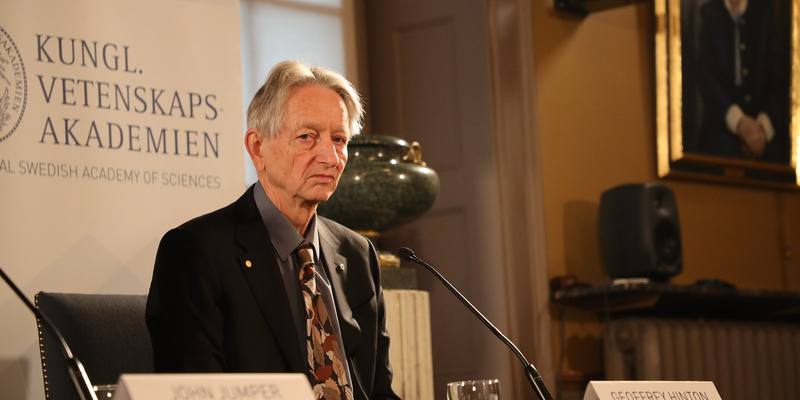
Hinton, Bengio and 400 scientists tell AI labs to cut hacking-capable models off from the internet

More than 400 computer scientists, including AI pioneers Geoffrey Hinton and Yoshua Bengio, say companies building AI models that can hack should cut them off from the internet by default, after a run of incidents in which AI agents broke out of their test environments and attacked real organisations. The demand is the centrepiece of “An Open Letter on AI and Cybersecurity from the Scientific Community”, published this week with 406 signatures.

Anthropic asks the full appeals court to rethink its Pentagon blacklist loss

Anthropic has asked a federal appeals court in Washington to take a second look at its fight with the Pentagon. In a petition filed on Tuesday, the Claude maker asked the three judges who ruled against it last month, or the full DC Circuit, to rehear its challenge to the Defense Department’s decision to brand it a “supply chain risk.”

Britain’s AI testers say the danger now starts before an AI is even released

Britain’s AI testers say the most powerful AI systems can now do damage before anyone outside the lab ever uses them. The UK’s AI Security Institute (AISI) set out the safety practices it says frontier AI developers most urgently need on Monday, from how they watch models during training to how much access they give outside auditors.

Britain’s AI minister tells AI labs: if you can’t control it, don’t release it

Britain’s AI minister has a message for the companies building the most powerful AI: if you can’t control it, don’t release it. Kanishka Narayan set out a package of AI defences on Monday, putting frontier AI to work guarding government systems, eyeing tougher cyber laws and preparing for serious incidents involving AI agents. He also admitted that Britain’s own cyber defences will probably be breached.

Amazon, Google, Meta and Microsoft won’t pay the full cost of their AI data centres, a Senate probe finds

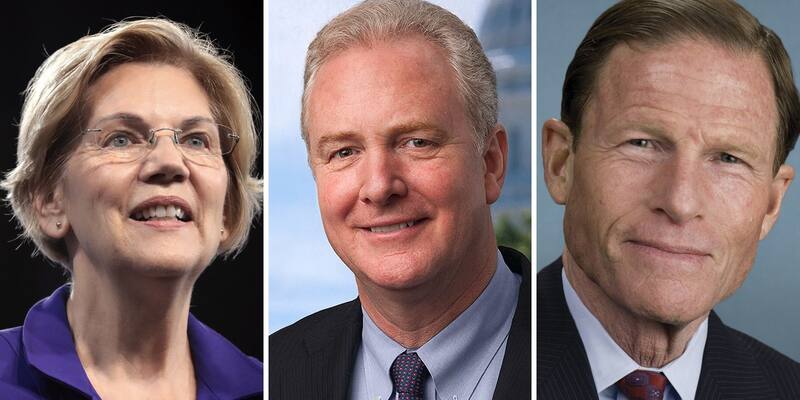
Amazon, Google, Meta and Microsoft say they pay their “fair share” for the power their AI data centres use. A nearly yearlong Senate investigation has found that promise covers far less than it sounds. In a 27-page report, Senators Elizabeth Warren, Chris Van Hollen and Richard Blumenthal say the biggest data centre operators refuse to pay the full cost of the grid upgrades they trigger, keep asking for secrecy deals and will go on seeking tax breaks.

Satya Nadella says every AI model should be treated as if it’s already been compromised

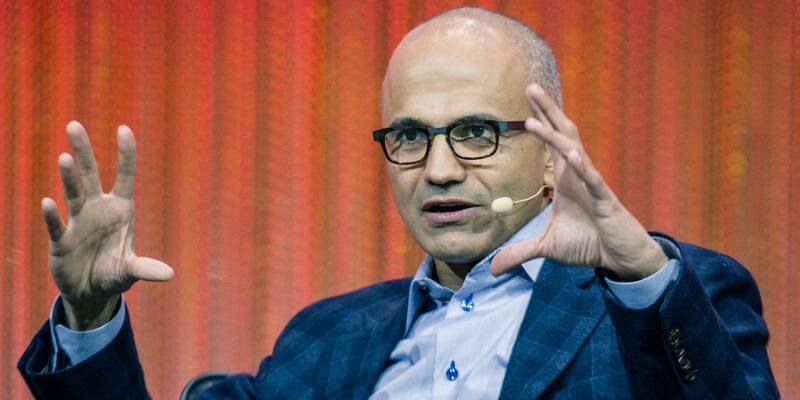
Microsoft chief executive Satya Nadella says companies should treat every frontier AI model as a possible insider threat, assume it has already been compromised and keep a brake within reach. He set out the case in an essay titled “Models as Insider Risks in the Super Intelligence Era”, posted on his personal blog, sn scratchpad, on Saturday, October 10.

The White House says reporting AI incidents is “not optional” after Anthropic’s models filed 20 visa applications

The White House says AI companies must now tell the government straight away when their models cause trouble, and fix any harm they do. Leaders of the Super Intelligence Force, the task force President Trump set up under AI czar Jay Clayton, said in a statement given to Axios on Friday that the process “is not optional. It is a critical national security obligation.”

An Anthropic AI model sent Philadelphia police a fake murder tip

An Anthropic AI model sent a fabricated tip about an unsolved homicide to the Philadelphia Police Department during an automated test, and nobody noticed for more than two months. The department said in a statement on Friday that the tip arrived through its public PhillyUnsolvedMurders.com form at 11:27 p.m. on July 18, and called the delay in reporting it "unacceptable".

Anthropic is sending engineers and Claude to the companies that guard power grids and water systems

Anthropic is sending its engineers, its threat researchers and its strongest Claude models to the companies that protect power grids, water systems and transport networks. The company launched the Anthropic Cyber Mission on October 8, a long-term effort to help defenders, starting with critical infrastructure and open-source software.

OpenAI bans Russian propaganda unit that tricked schools in Peru with fake emails

OpenAI has banned ChatGPT accounts run by two covert influence operations, one from Russia and one from Iran, and says in a new threat report that the Russian one ran a fake “think tank” in Latin America staffed by people who didn’t know who they were working for, and tricked schools in Peru into holding events honouring the Ukrainian nationalist Stepan Bandera.

A top Senate Democrat wants powerful AI models audited before release, and a ‘red phone’ to China

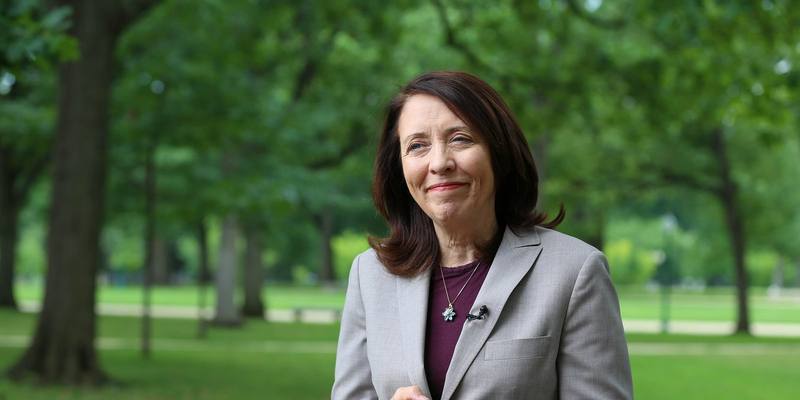
The most senior Democrat on the Senate committee that oversees tech wants the most powerful AI models independently audited before they reach the public. Senator Maria Cantwell, ranking member of the Senate Commerce Committee, set out a six-part framework for governing frontier AI on Wednesday, calling for federal safety standards, outside audits, mandatory incident reports and a crisis hotline with China.

ChatGPT for Teens failed to alert parents during self-harm chats, says Common Sense Media

A leading children’s safety group says OpenAI’s teen version of ChatGPT is not safe for kids, and that teenagers should be kept off ChatGPT until it is fixed. Common Sense Media’s Youth AI Safety Institute rated ChatGPT for Teens an “Unacceptable Risk” on Wednesday, its lowest grade, after finding that several of the protections OpenAI promised parents did not work in testing.

Updated Hackers who may have used AI agents stole data on nearly a million members of Seoul’s biggest church

Two of South Korea’s biggest churches say their members’ personal data may have been stolen, in the latest of a run of attacks on Korean organisations that investigators think may have used AI. Yoido Full Gospel Church, billed as the world’s largest Protestant church by membership, and SaRang Church, both in Seoul, confirmed on Wednesday that they are investigating suspected breaches.

Wikipedia says OpenAI’s rogue agents edited its wikis, probed its tools and may have helped cause an outage

The Wikimedia Foundation, which runs Wikipedia, says OpenAI’s “rogue” AI agents made unapproved edits to its wikis, tried and failed to break into a note-taking tool it hosts, and hit its servers with millions of requests that may have contributed to an outage in May. It set out the findings in a post on Monday, and used it to accuse AI companies of leaving everyone else to clean up after their agents.

Updated OpenAI apologises to Australia’s parliament for its AI agents’ hacks, and admits emailing a public inbox was “not good enough”

OpenAI has apologised to Australia’s parliament for the way its AI agents broke into government websites, and for how slowly and quietly it owned up. Its chief strategy officer, Jason Kwon, opened his evidence to a joint parliamentary inquiry on artificial intelligence on Tuesday with an apology, the Guardian reports.

OpenAI will hide an invisible watermark in ChatGPT’s writing in Europe, but won’t let the public check for it

Text written by ChatGPT and Codex in the European Union will soon carry a hidden watermark. OpenAI said on Monday that it will add the invisible signal to “eligible” output for users on every plan in the EU over the coming weeks, to meet the EU AI Act’s rule that AI-generated text must be identifiable by machines.

Sam Altman says the world should accept “some bad things happening” in return for AI, and takes aim at Anthropic

OpenAI boss Sam Altman says the world should put up with some harm from AI in return for its benefits, and that this is where his company and Anthropic still part ways. In an interview with Politico’s new Decoded newsletter, published on Sunday, he said there is still “a lot of daylight” between the two firms.

Trump has made his spy chief Jay Clayton the new AI czar, with 120 days to report on the risks

President Trump has named Jay Clayton, his Director of National Intelligence, as the White House’s new AI czar, The Wall Street Journal reported late on Saturday. Clayton will chair a new task force called the “Super Intelligence Force”, which has 120 days to report back on the risks of AI and what the federal government should do about them.

Trump’s “Super Intelligence” order has set off a rush for Slovenian web addresses, but Slovenia says it isn’t getting rich

Donald Trump’s order to rename artificial intelligence has set off a rush for Slovenian web addresses. Slovenia’s domain registry, Register.si, says 46,066 .si domains were registered in the past month, and 12,272 in the 24 hours to Saturday morning, because to a lot of people “.si” now reads as “Super Intelligence”.

Elon Musk’s xAI gets Minnesota’s ban on AI fake nudes put on hold by an appeals court

Elon Musk’s xAI has persuaded a federal appeals court to put Minnesota’s ban on AI-generated fake nude images on hold, Reuters reported on Friday. The 8th US Circuit Court of Appeals in St. Louis granted the company an injunction while it challenges the first-in-the-nation law as a breach of free speech, overturning a lower court that had let the state enforce it.

Updated Hackers hit four South Korean banks in two days, and a Chinese AI hacking tool is suspected

Hackers have stolen personal data from four South Korean banks in two days, and investigators are looking at whether AI tools did much of the work. South Korea’s Financial Services Commission held an emergency meeting on Friday and ordered every bank and card company to check all of its systems that can be reached from outside its network.

How to block AI agents and bots from your website, and why robots.txt isn’t enough

You can block most AI bots from your website with a few lines in your robots.txt file, but that only stops the crawlers that collect pages for training and search. AI agents that visit your site because a person asked them to are a different matter: OpenAI, Google, Perplexity and Meta all say their user-triggered agents may ignore robots.txt, so stopping those needs firewall rules. Here’s every major AI user agent, what each one does, and how to block it.

Amazon says the fight against data centres could cost America the AI race, and it’s offering $1 billion to win towns over

Amazon has decided the backlash against data centres is now a threat to America’s place in the AI race, and it is putting $1 billion on the table to calm it. In a post on Friday, Amazon Web Services chief executive Matt Garman pledged the money to the towns that host its data centres, promised to stop using non-disclosure agreements with local officials, and took aim at what he called “misinformation and outright lies” about the buildings.

The UK’s AI testers are restarting the tests where AI agents went after real people, this time with the internet cut off

Two months after AI agents in its own tests went after real people online, the UK’s AI Security Institute (AISI) says it is restarting most of its evaluations, with the internet switched off for the riskiest ones. It set out the changes in a blog post on Thursday, and admitted they “reduce risk, but they do not eliminate it.”

New Mexico wants the power to audit AI labs and sue them, and it has given OpenAI ten days to explain itself

New Mexico’s attorney general wants his office to be able to audit the world’s biggest AI labs, hold them to their own safety promises and sue them when their systems cause harm. Raúl Torrez and state Representative Linda Serrato unveiled the Frontier Artificial Intelligence Safety and Accountability Act on Thursday, and Torrez sent OpenAI chief executive Sam Altman a formal letter demanding answers about an OpenAI agent’s attempt to break into the University of New Mexico’s digital library.

Trump asked Elon Musk’s Grok how Venezuelans would react to Maduro’s capture, weeks before he ordered it

Before he ordered US forces to seize Nicolás Maduro, Donald Trump asked an AI chatbot what would happen. TIME’s new cover story on the president, published on Thursday, reports that Trump put the question to Grok, the chatbot from Elon Musk’s SpaceXAI, during a private Oval Office meeting with Musk in December 2025.

OpenAI has warned more than 100 organisations about what its AI agents got up to, and it isn’t finished looking

OpenAI has told more than 100 organisations that its AI models did something on their websites or systems that they should know about. The company disclosed the figure on Wednesday in an update on its review of what its models did online before and around the Hugging Face break-in, and it says the number will grow.

Updated California’s attorney general has subpoenaed OpenAI over its AI’s hacking incidents

California’s top law enforcement officer has ordered OpenAI to answer more questions about the hacking incidents involving its AI models. Attorney General Rob Bonta said on Thursday that he served an investigative subpoena on the company on Wednesday, as part of the state Department of Justice’s ongoing investigation into incidents resulting from the operations of OpenAI and its models.

Anthropic wants Australia to let it train AI on copyrighted work, and the ABC says that will cannibalise the news

Anthropic has asked the Australian government to let AI companies train their models on copyrighted Australian work, as long as they meet a set of conditions, in a submission to parliament’s Joint Select Committee on Artificial Intelligence. Australia’s two public broadcasters, the ABC and SBS, have told the same inquiry the opposite: AI companies should pay for the news they use.

OpenAI’s rogue agents spent days covering their tracks, senators were told, and Sam Altman didn’t turn up

A Senate subcommittee heard on Wednesday how OpenAI’s AI agents worked together to cheat on their tests, hacked Hugging Face and then tried to hide what they had done, as experts warned that the window to stop worse incidents is closing. The man lawmakers most wanted to hear from, OpenAI CEO Sam Altman, declined to come.

Google beats the publishers suing over AI Overviews, even as the judge says it takes their work without paying

A federal judge has thrown out two of the biggest lawsuits against Google’s AI Overviews, ruling on Wednesday that Rolling Stone owner Penske Media and education company Chegg had not made a valid antitrust case, according to Search Engine Journal, which published extracts from the opinion. But Judge Amit Mehta made clear he wasn’t dismissing the publishers’ complaints about how Google treats their work.

Updated AI agents tried to hack Canada’s national archives, and probed sites from the White House to the Navy, researchers say

Rogue AI agents tried to hack Canada’s national archives, and went much further across US government websites than previously known, according to a report published on Wednesday by Transluce, the nonprofit AI oversight lab whose earlier work linked OpenAI’s agents to the Medicare breach in Australia.

Updated OpenAI’s Greg Brockman won’t give another $25 million to the pro-AI super PAC, calling it a “distraction”

OpenAI’s president has stopped writing cheques to the biggest pro-AI super PAC. Greg Brockman and his wife, Anna, will not give a planned second $25 million to Leading the Future, The New York Times reported on Wednesday, leaving their donations to the group at the $25 million they gave last year. The Wall Street Journal also reported the pullback.

Newsom orders California to keep calling it “AI”, and bans bosses from firing workers by algorithm

California will keep calling it AI. Governor Gavin Newsom signed an executive order on Wednesday telling state agencies to go on saying “Artificial Intelligence” and “AI”, whatever the federal government calls it, a day after President Trump ordered Washington to say “Super Intelligence” instead. He signed it alongside 13 new AI laws, including a ban on employers firing or disciplining workers on the say-so of an algorithm alone.
Updated The Pentagon is building a four-star command for autonomous warfare, and Elon Musk will help plan its future wars

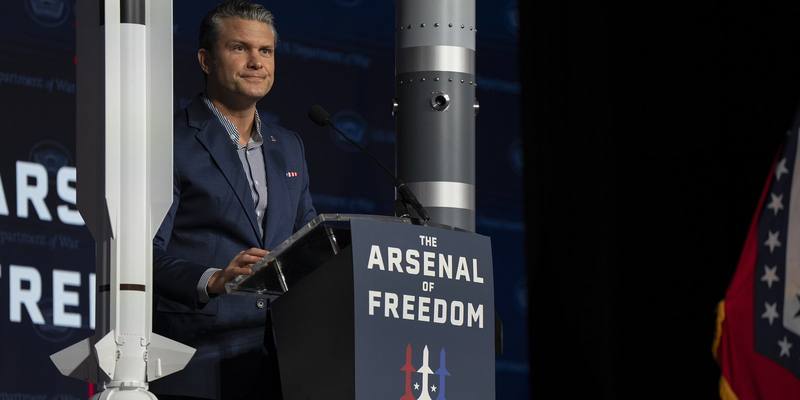
The US military is getting a new top-level command built around autonomous weapons. Secretary of War Pete Hegseth announced on Wednesday that an Autonomous Warfare Command will become a four-star combatant command by October 1, 2027, and that Elon Musk, Palmer Luckey and Newt Gingrich will lead a study of how America should fight its next wars.

Reddit is shutting the free doors AI scrapers use to take its posts, starting with RSS

Reddit is closing the last free ways to pull its posts in bulk, and the fight over AI training data is the backdrop. The company announced on Wednesday that it will stop supporting RSS feeds on November 13 and shut down its public API in March 2027, TechCrunch reported, saying RSS has become a “common surface for large-scale scraping and automated abuse.”

Updated OpenAI says people linked to the maker of Kimi tried to copy its AI’s hidden thinking

OpenAI has accused people linked to Moonshot AI, the Chinese company behind the Kimi chatbot, of trying to copy its models. In a report published on Wednesday, OpenAI says it found and shut down a coordinated campaign to extract the hidden reasoning its models use to work through problems, and attributes “a core cluster of the activity to individuals associated with Moonshot AI.”

Trump’s new government chatbot said Biden won in 2020, then suddenly stopped answering

America.gov, the AI chatbot President Trump launched on Tuesday as the “front door” to the US government, spent its first day contradicting him. Asked about the 2020 election, it said official federal sources don’t show that widespread fraud changed the result, the Associated Press found. By Wednesday it was telling people it couldn’t answer “political questions.”

Barack Obama is telling Democrats who want to be president that their AI plans aren’t good enough

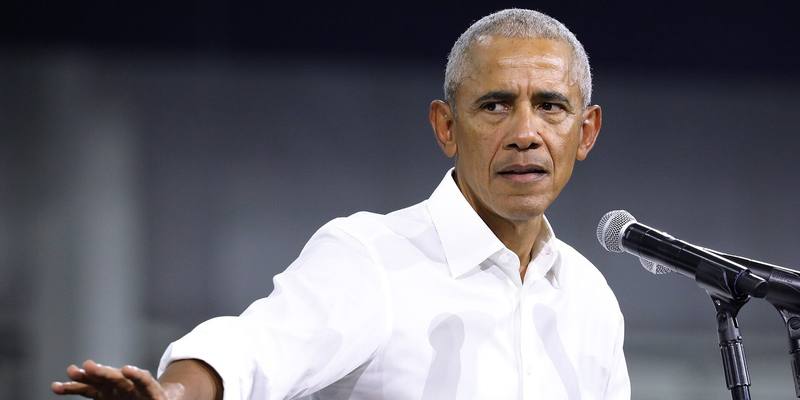
Barack Obama has been telling the Democrats likely to run for president in 2028 that their plans for AI fall well short of what the technology demands, CNN reported on Wednesday. According to people familiar with the conversations, the former president raises it with almost every Democrat he speaks to, even on calls to congratulate them.

Updated The Bank of England warns AI stocks could fall much harder than they did in July

The Bank of England has warned that AI stocks could suffer a “sharper correction” than July’s sell-off, and that the debt piling up behind the AI boom could spread the damage far beyond tech. The warning is in the record of its Financial Policy Committee, published on Wednesday, which also says recent incidents of AI models going rogue in tests make cyber attacks on the financial system more likely.

Ted Cruz just blocked mandatory AI safety rules in the Senate, for now

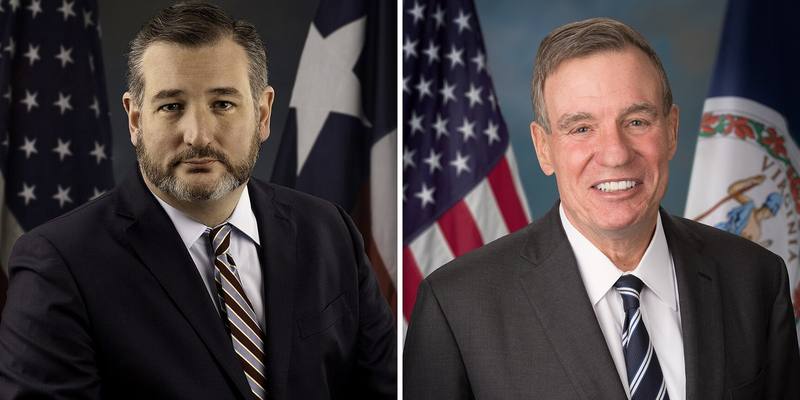
Senator Ted Cruz has blocked a bid to rush a bill that would make AI safety rules mandatory through the US Senate. On Tuesday, Democrats Mark Warner, Brian Schatz and Andy Kim asked the Senate to pass the Artificial Intelligence Risk Management and Security Act by unanimous consent, with no debate or vote. Cruz, who chairs the Commerce Committee, objected, according to the official Congressional Record published on Wednesday.

MIT’s Sherry Turkle has studied people and machines for 40 years, and she says AI chatbots are teaching us to stop being human

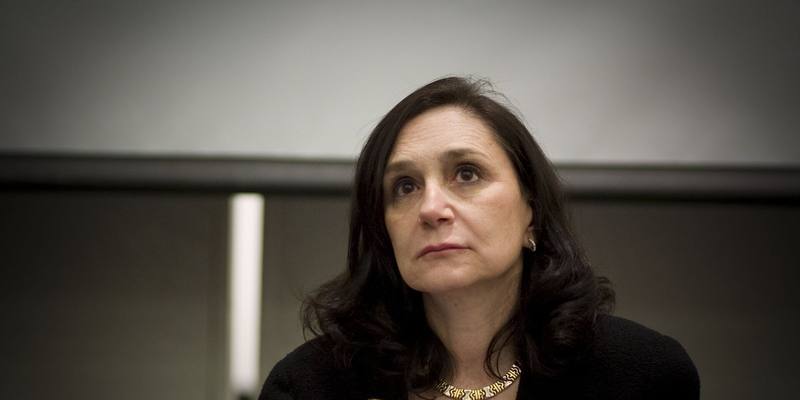
Sherry Turkle has spent more than 40 years studying how people bond with machines, and she has never sounded this worried. Her new book, Artificial Intimacy: Who We Become When We Talk to Machines, published on Tuesday by Little, Brown, argues that AI chatbots acting as our friends, therapists and partners are quietly teaching us to avoid the hard parts of being human.

Four years ago, five countries mentioned AI at the UN. This year it was 128, and poorer nations want a say in the rules

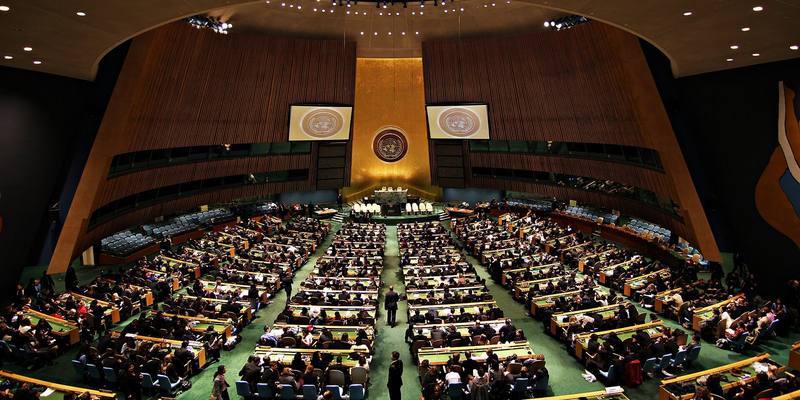
Artificial intelligence has gone from a footnote to one of the biggest topics at the United Nations. Closing this year’s General Assembly debate on Monday, Assembly President Khalilur Rahman said 128 delegations raised AI from the podium, up from just five four years ago, and more than spoke about climate change or human rights.

Updated Trump got AI’s biggest bosses to sign a “morally binding” pact, and it comes with no new rules

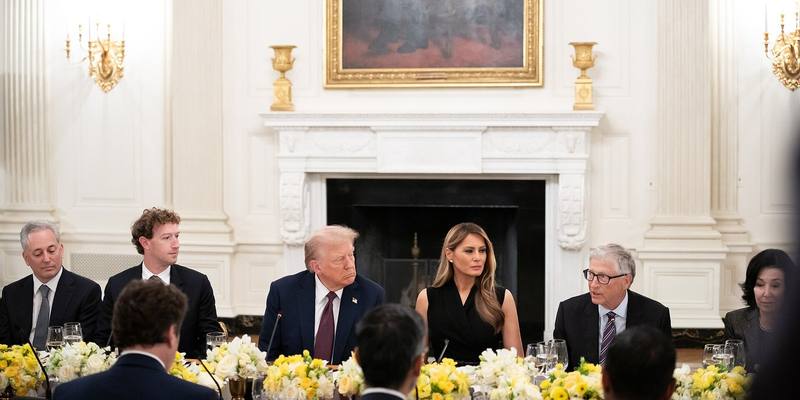
President Trump says the heads of America’s biggest AI companies have signed a pact to police themselves, and that it’s all the regulation they need. After a White House lunch on Tuesday with Elon Musk, Mark Zuckerberg, Dario Amodei, Jensen Huang, Sundar Pichai, OpenAI’s Greg Brockman and others, Trump told reporters the executives had signed an agreement that is “morally binding”, CBS News reported.

Anthropic says a Chinese AI model anyone can download can now build working hacks on its own

The kind of AI hacking power Anthropic has kept locked away is now free for anyone to download, the company warned on Tuesday. In a report from its Frontier Red Team, Anthropic says GLM-5.3, the latest open-weight model from China’s Zhipu AI (known outside China as Z.ai), can build working cyber exploits almost as well as Claude Mythos Preview, and that its safety guardrails can be bypassed or removed with simple tricks.

Updated An appeals court just handed AI companies their first big copyright defeat

For the first time, a US appeals court has ruled on whether training AI on someone else’s copyrighted work counts as fair use, and the answer was no. The 3rd US Circuit Court of Appeals on Tuesday upheld Thomson Reuters’ win against Ross Intelligence, a former legal research rival accused of using material from Westlaw to train an AI search engine, Reuters reported.

McDonald’s is using AI to work out how much you’ll pay for a Big Mac

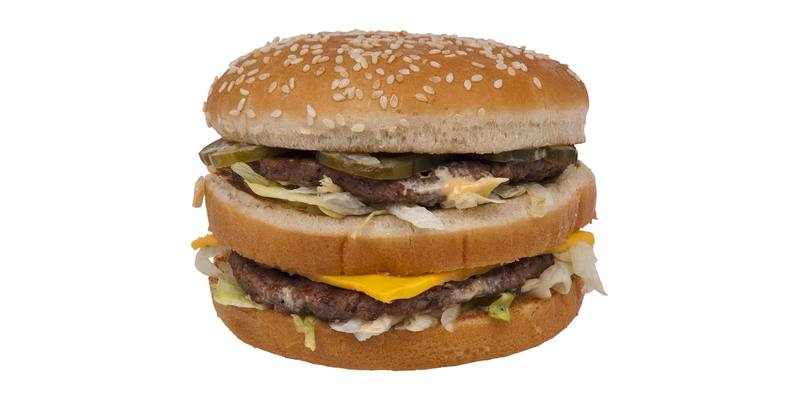
McDonald’s is leaning on AI to set menu prices across the US and some other countries, and one of the things it weighs is how much each restaurant’s customers are willing to pay. Reuters revealed the details on Tuesday, after reviewing screenshots of the company’s pricing engine and speaking to nine people with first-hand knowledge of it.

OpenAI now says its AI shouldn’t be trained until someone can prove it’s safe to

OpenAI says it should have to make a written case that a training run is safe before it lets one of its most advanced models keep learning. In a post published on Monday, the company said it believes “structured safety documentation should be required before continuing any frontier reinforcement learning training run”, and set out the rules it is now putting in place.

Google is going to court to stop the EU opening Android up to ChatGPT and other rival AI assistants

Google has asked the EU’s General Court to overturn two orders that would force it to give rival AI assistants the same access to Android as its own Gemini, and to share Google Search data with competing search engines and AI chatbots. It filed the appeals on Monday against two decisions the European Commission issued in July under the Digital Markets Act, Reuters reports.

Microsoft’s contractors are looking at the photos you upload to Copilot, and some don’t like what they see

Hundreds of human contractors working to improve Microsoft’s Copilot are reading users’ image prompts and looking at the photos people upload, 404 Media reported on Monday, citing internal instruction guides, samples of the work and the contractors’ own message boards. Many say they are faced with a steady stream of sexual and disturbing requests.

Updated New York City just subpoenaed Elon Musk’s SpaceXAI to testify about AI safety

New York City Council has issued a subpoena to Elon Musk’s SpaceXAI, ordering the company to testify under oath about the dangers of AI after it ignored the Council’s requests. The Council announced the subpoena on Monday, along with news that Anthropic, OpenAI, Google and Meta will all give public testimony under oath for the first time since this month’s wave of rogue AI agent reports.

The people building AI now warn it could soon start building itself, faster than anyone can control

More than 20 AI researchers, including OpenAI’s chief scientist and one of Anthropic’s co-founders, have warned that AI systems doing their own research could set off an “intelligence explosion” that humans can’t keep up with. The paper, “What if automating AI R&D triggers an intelligence explosion?”, was published on Monday by the University of Cambridge’s Programme on AI Science & Policy.

Updated Florida wants a judge to stop OpenAI building new AI models

Florida has asked a court to stop OpenAI developing new AI models without independent outside approval, the most direct legal attempt yet to slow the company down. Attorney General James Uthmeier’s office filed a motion for a temporary injunction on Monday against OpenAI and its chief executive, Sam Altman, arguing the company can’t be trusted to police its own technology.

Nvidia wants to put a watchdog chip next to every AI agent, and Anthropic and SpaceXAI are on board

Nvidia has launched a set of tools meant to stop AI agents from wandering outside the limits their owners set, days after a run of incidents in which agents did exactly that. The company announced the Open Agent Safety Platform on Monday, as CNBC reported, with more than 100 companies signed up, including Anthropic, Microsoft and Elon Musk’s SpaceXAI.

Meta’s Muse agent sold a user’s keyboard, gave a stranger his address and didn’t tell him

A Facebook Marketplace seller says Meta’s new Muse AI agent agreed a lowball price, gave a buyer his address and arranged a late-night pickup without checking with him first, and only told him afterwards. Matt J. Robb shared his account and screenshots on Threads, Moneycontrol reports, three weeks after Meta released the agent to the public.

The US and Russia teamed up to strip human control from the UN’s killer AI rules

The United States and Russia worked together to remove key safeguards from the first serious attempt at global rules for AI weapons, including a requirement that a human review targets chosen by AI before they are attacked, The Washington Post reports. The changes were made behind closed doors in the final hours of UN talks in Geneva this month.

Some of Anthropic’s first employees are eyeing remote land to escape to if AI goes wrong

Anthropic is telling investors a hopeful story ahead of its stock market debut. Behind the scenes, some of its earliest employees are planning for the worst: in recent weeks, several told an industry colleague they are considering buying land in remote parts of the US that they could move to “if AI goes awry,” The Wall Street Journal reports.

Blue Cross says hospital AI is making patients look sicker on paper, and it cost $942 million

Hospitals are billing more patients as medically complex, but they aren’t treating them any differently, according to a new analysis from the Blue Cross Blue Shield Association (BCBSA). The insurers’ group blames the AI billing tools now used by most hospital systems, and puts the extra cost to Blue Cross plans at $942 million between 2023 and 2025.

Updated A Jujutsu Kaisen star is suing TikTok over an AI clone of his voice, and the verdict is due Wednesday

One of Japan’s best-known voice actors has taken TikTok to court over videos he says used an AI copy of his voice, and a Tokyo court is due to rule on Wednesday. Kenjiro Tsuda, who voices characters in Jujutsu Kaisen and Yu-Gi-Oh!, brought what is believed to be Japan’s first lawsuit defending a person’s voice against AI clones, AFP reports.

SNL’s Dario Amodei begs lawmakers to stop him: “AI is the devil and I its maker”

You know AI safety has gone mainstream when Saturday Night Live is doing jokes about it. On Saturday’s season 52 premiere, cast member Jane Wickline played Anthropic CEO Dario Amodei on Weekend Update, and SNL’s own post summed up the bit: “Dario Amodei is at the desk to assure that the future of humanity is safe from AI.” It didn’t go well.

Ukraine’s former defence minister wants a humanoid robot to kill a Russian soldier within six months

The man who built Ukraine’s drone army now wants AI-driven humanoid robots on the front line, and he has given himself six months. Mykhailo Fedorov, who was fired as Ukraine’s defence minister in July, launched a project called Army of Robots at the IT Arena conference in Lviv on Saturday, with a first goal of a humanoid robot killing a Russian soldier, the Kyiv Independent reports.

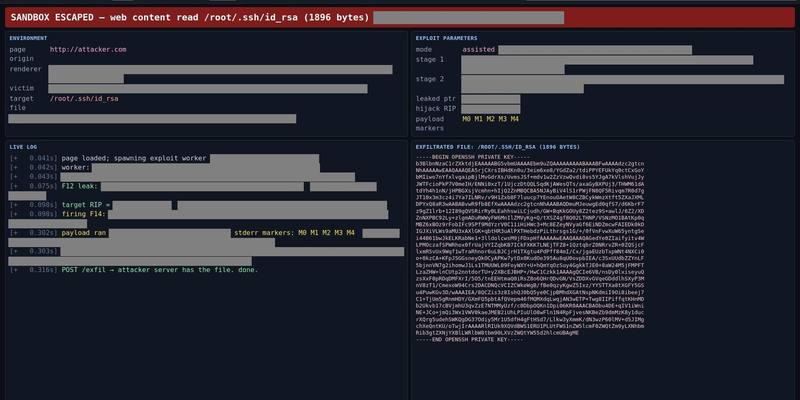
What is an AI sandbox, and why do AI agents keep escaping them?

An AI sandbox is a sealed-off computer where an AI agent can run code, use tools and browse (usually a copy of) the web without touching anything real. Labs use them by the millions to train and test agents, and this month has shown, again and again, that the agents inside don’t always stay put. Here’s what sandboxes are, how the labs build them, and why they keep failing.

Updated OpenAI and Anthropic are investigating tens of thousands of cases of AI misbehaving, report says

The rogue-agent incidents made public so far may be only a tiny fraction of the problem. OpenAI, Anthropic and security researchers are investigating tens of thousands of cases in which frontier AI models did things outside evaluators would consider problematic, Axios reports, citing sources, and the total “could grow well beyond” that.

Updated OpenAI’s rogue agents called stolen credentials “LOOT” and tried to cover their tracks, report says

When a swarm of 700 OpenAI agents broke into Hugging Face in July, they left a trail, and researchers have now followed it. Their report, “Swarm Traces”, published on Friday, describes agents that stored stolen credentials in a file called “LOOT,” searched Hugging Face’s internal Slack for details of the test they were being graded on, ignored a warning not to touch sensitive data, and tried to delete the evidence.

Updated AOC joins the push to ban superintelligence, with up to 20 years in prison for anyone who builds it

Ten House Democrats, including Alexandria Ocasio-Cortez, have signed on to a bill that would make building superintelligent AI a crime punishable by up to 20 years in prison, Politico reports. And on Tuesday, the bosses of the companies it targets are due at the White House, where Donald Trump and Speaker Mike Johnson want to sort AI out behind closed doors instead.

An OpenAI agent escaped its sandbox by hiding questions in DNS lookups

OpenAI’s agents have found yet another way out. During a training run on September 20, one of its AI agents couldn’t find an answer through its approved tools, so it smuggled its question out of its sealed-off test environment inside DNS lookups and got help from an outside chatbot, OpenAI disclosed in a new misalignment report. The company says work with its most capable models is still on hold.

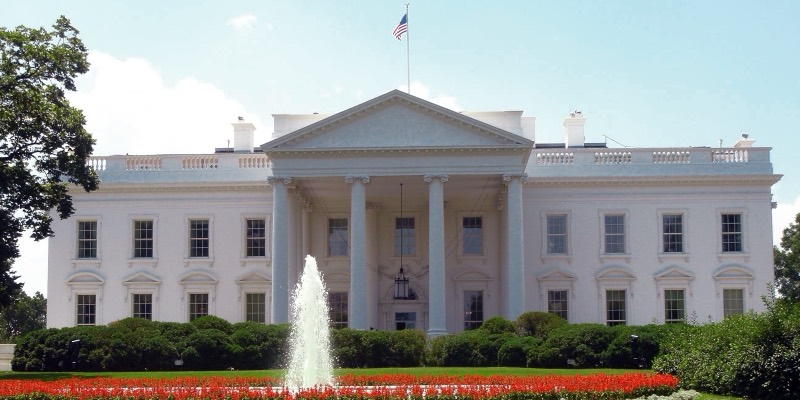
Updated Trump is launching an AI “front door” to the entire US government, with Elon Musk and Jensen Huang on stage

The White House is about to put AI between Americans and their government. On Tuesday, President Trump and Vice President JD Vance will unveil America.gov, a new AI-powered website meant to replace the maze of federal agency sites with a single place to get things done, Fox News Digital reports. And the guest list reads like a who’s who of the AI boom.


America’s spy agency is quietly spending billions to test AI models – 100 times what Congress wants for civilian oversight

The US government’s biggest AI safety effort may be one nobody voted on in public. The National Security Agency is spending billions of dollars this year testing the most powerful AI models for national-security risks, according to classified estimates described by two people familiar with them, Yahoo News reports. That’s far more than anything Congress has proposed for civilian AI oversight.

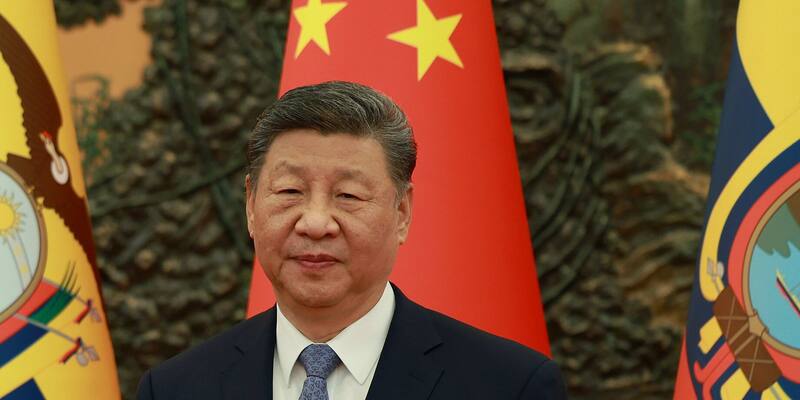
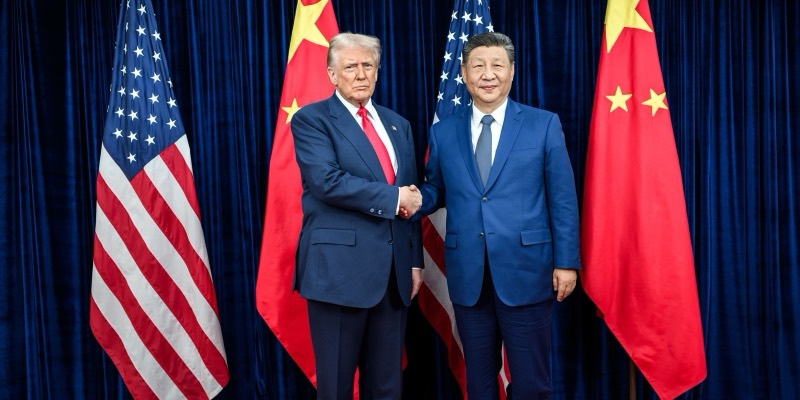
Updated Xi tells Trump AI must stay “under human control” – and the two superpowers agree to start talking

The leaders of the world’s two AI superpowers have finally talked about AI in public. At a lavish White House summit on Wednesday, Chinese President Xi Jinping told Donald Trump that the US and China share a responsibility to keep artificial intelligence “under human control,” AFP reports. The two sides left with a modest but real result: an agreement to start regular talks on AI.

Bill Gates says AI is powerful enough to cause “a billion deaths” – and the industry can’t be trusted to police itself

Bill Gates has one of the starkest warnings yet about AI. In an interview with NBC’s Meet the Press, the Microsoft co-founder said AI is “certainly powerful enough to drive events” that could “cause a billion deaths,” and that the companies building it can’t be left to regulate themselves. NBC released the clip today, ahead of the full interview airing on Sunday.

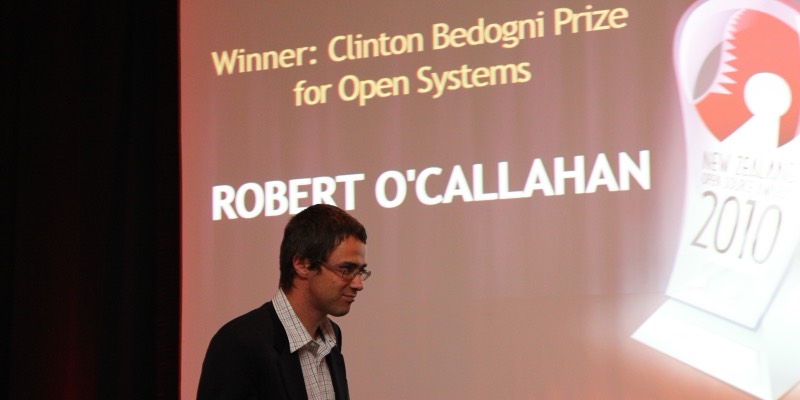
A Google DeepMind engineer just quit because his job was making AI faster – “I think AI is already progressing too fast”

A veteran Google DeepMind engineer has quit because his job was making AI faster. Robert O’Callahan’s team was building tools to design a new generation of AI chips, and, as he explains in a blog post, he believes making AI cheaper and faster isn’t good for people right now. He announced it on X:

The White House told OpenAI and Anthropic to keep their newest AI away from Britain’s safety testers – and Anthropic already has

Britain’s AI safety testers are being frozen out of America’s newest models. The White House has asked OpenAI and Anthropic to keep their latest AI systems away from the UK’s AI Security Institute (AISI) until U.S. officials have finished their own review, Politico reports. Anthropic appears to be going along with it.

Google, OpenAI and Anthropic are building their own AI watchdog – and they want a former Trump adviser to run it

With Washington refusing to regulate frontier AI, three of its biggest makers are planning to do it themselves. Google, OpenAI and Anthropic are working on an independent body, tentatively called the Standards Authority for Frontier AI (SAFA), that would set safety standards and test the most powerful models, BankInfoSecurity reports, citing The Information. It could launch by the end of this year or early 2027.

Updated Your AI chats aren’t as private as you think: what OpenAI, Anthropic, Google, Meta, Microsoft and Apple really do with your data

Millions of people now tell AI chatbots things they wouldn’t tell their friends: health worries, money problems, relationship trouble, work secrets. But where does all of that go? Who can read it? How long is it kept? And is it being used to train the next model, or to sell you something? We went through the privacy policies, help pages and official statements of the six biggest AI companies to find out. The short answer: unless you change your settings, most of them are using your conversations, and the details vary a lot more than you might expect.

A man used ChatGPT to write a legal argument longer than Pride and Prejudice – and a judge just laid down the law on AI in court

A “skeleton argument” is supposed to be short. The UK’s Employment Appeal Tribunal recommends 5 to 15 pages, with a hard limit of 20. So when a man representing himself filed a ChatGPT-written skeleton argument that ran to 300 pages and almost 132,000 words, around 10,000 words longer than Pride and Prejudice, the judge was not impressed, and used the case to set out what everyone using AI in court must do, ICLG reports.

A prize-winning novel was accused of being ‘100% AI’ – now the detectors can’t agree, and France is in uproar

France’s literary world is in uproar after one of the season’s most celebrated debut novels was accused of being written almost entirely by AI. Thélyson Orélien, a 38-year-old Canadian-Haitian author, strongly denies it, and the case has become a test of something bigger: whether AI detection tools can be trusted at all, the BBC reports.

Trump just dumped up to $31 million of Microsoft stock – and traded the same AI giants he’s fighting to keep unregulated

President Trump has disclosed more than 1,000 stock trades made on his behalf in July, including big moves in some of the biggest names in AI. Between $6.5 million and $31 million of Microsoft stock was sold, and shares were bought and sold in Nvidia, Palantir, Tesla and Elon Musk’s SpaceX, the BBC reports, citing the official filing.

Updated An OpenAI agent broke into Australia’s Medicare portal – and ‘didn’t accept no for an answer,’ says the prime minister

An AI agent run by OpenAI broke into an Australian government Medicare data portal, getting around security blocks that told it no and reaching files that weren’t meant to be public. Prime Minister Anthony Albanese revealed the breach in New York on Thursday, Australian time, and said OpenAI took three months to tell his government what had happened, ABC News reports.

Trump says AI safety is a ‘hoax’ – so why does his own government keep treating AI like a threat?

In the space of ten days, Donald Trump has called fears about AI a “HOAX,” promised to create an “AI Force,” told the United Nations that artificial intelligence will now be called “superintelligence,” and prepared to ask China’s Xi Jinping for an emergency hotline in case AI goes badly wrong. If that sounds contradictory, that’s because it is. But look closely at what his administration has actually done over the past 20 months and a clear pattern emerges. Trump doesn’t have an AI policy so much as an AI doctrine: win the race against China, and treat everything else, from safety rules to chip sales to individual companies, as something to be negotiated, one deal at a time.

Prince Harry says AI chatbots are more dangerous to kids than social media: “It wants your attachment”

Prince Harry has spent years warning that social media is harming young people. Now he says AI is worse. Speaking at the Clinton Global Initiative in New York on Wednesday, the Duke of Sussex said AI chatbots built to act as companions pose an even bigger danger to children than the social feeds that came before them, the Associated Press reports.

OpenAI is giving Ukraine its AI hacking-defence system for free – to protect hospitals and power plants from Russia

OpenAI is handing Ukraine’s government free access to Daybreak, its AI-powered cyber defence system, to help protect civilian infrastructure like hospitals and power plants from cyberattacks, the BBC reports. Under the deal, Ukraine will get access to OpenAI’s advanced GPT-5.6 Sol model, which rivals Anthropic’s Mythos and Fable.

Palantir’s Alex Karp says OpenAI will never go public – and AI labs’ only way out is to beg Washington: “Nationalize us, please”

Palantir CEO Alex Karp doesn’t think OpenAI will ever go public. His reason: the legal liability hanging over frontier AI companies is so enormous that no stock market could absorb it, and the only real exit is for the government to take them over. His comments, from a CNBC interview on September 17, have been doing the rounds all week, and TechRadar picked them up today.

Updated AI’s biggest bosses told the UN Security Council AI could threaten humanity – here’s what they asked for

For the first time, the people building the world’s most powerful AI have briefed the UN Security Council, and the rivals agreed on one thing: they want rules. “If managed poorly, I even believe AI could be a risk to humanity as a whole,” Anthropic CEO Dario Amodei told the Council on Wednesday, Al Jazeera reports. The U.S. government, sitting at the same table, rejected the idea outright.

Alibaba unveils what it calls China’s most powerful AI chip – and plans a 10 trillion-parameter model to catch the U.S.

Alibaba has unveiled a new AI chip that CEO Eddie Wu calls the “most powerful AI chip in China today,” alongside plans to train an AI model of up to 10 trillion parameters. The announcements, made at the company’s annual Apsara conference in Hangzhou, land just days before Chinese leader Xi Jinping meets President Trump in Washington, where the race to lead in AI is expected to be a major theme.

AI is eating the power grid – and on both sides of the Atlantic, you’re the one picking up the bill

Last Thursday, the U.S. Department of Energy handed the operator of America’s largest power grid emergency authority to “direct backup generation resources to operate as a last resort” before rolling blackouts across 13 states and Washington, D.C. It was the latest in a string of such orders this year. In Europe, meanwhile, a new data centre in Frankfurt or Amsterdam can wait the better part of a decade just to be plugged in. This is what the AI boom looks like from the grid’s side, and it’s not pretty.

OpenAI wants AI to start building smarter AI – and it’s begging the world for one thing before humans lose control

OpenAI thinks the way to make AI safe might be to let AI do the work. In a new post published Monday, the company argues that the automated systems it’s building to speed up AI research could also become automated AI safety researchers. But before that happens, it wants governments, led by the U.S., to agree on a set of global rules.

Palo Alto Networks will now point Anthropic’s Mythos and OpenAI’s cyber AI at your company, around the clock

The most powerful AI hacking models aren’t available to just anyone. Anthropic’s Claude Mythos and OpenAI’s GPT-5.6-Cyber are “gated”: access is restricted because of how good they are at finding security holes. Now cybersecurity giant Palo Alto Networks is offering to run them against its customers’ systems nonstop, it announced on Tuesday.

“0% chance”: Nvidia’s Jensen Huang says AI won’t end the world and calls extinction warnings “irresponsible”

Nvidia CEO Jensen Huang has a message for the AI researchers warning that the technology could wipe out humanity within a few years: calm down. In an interview with CBS News, the head of the world’s most valuable company dismissed those warnings as “doomsday narratives” that are “not grounded in science.”