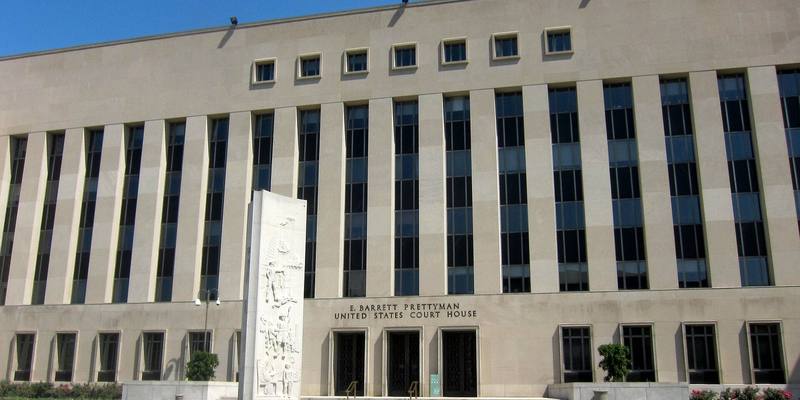
The E. Barrett Prettyman US Courthouse in Washington DC, home of the federal district court. Image: AgnosticPreachersKid / Wikimedia Commons, CC BY-SA 3.0, cropped

A federal judge has thrown out two of the biggest lawsuits against Google’s AI Overviews, ruling on Wednesday that Rolling Stone owner Penske Media and education company Chegg had not made a valid antitrust case, according to Search Engine Journal, which published extracts from the opinion. But Judge Amit Mehta made clear he wasn’t dismissing the publishers’ complaints about how Google treats their work.
Mehta, the same Washington DC judge who ruled that Google holds an illegal monopoly in search, granted Google’s motions to dismiss both cases in a memorandum opinion filed on September 30.
What the publishers argued
Chegg and Penske Media, which also owns Variety, Billboard and The Hollywood Reporter, accused Google of using its search monopoly to force publishers to hand over their content for free. If they wanted to keep appearing in Google’s results and getting its traffic, they said, they had no real choice but to let Google use their work in its AI-generated summaries, which answer questions on the results page and send fewer readers on to the original sites.
They brought several antitrust claims: that Google ran an unlawful exchange of content for traffic, that it tied AI Overviews to search, that it was using its monopoly to protect its position, and that it was trying to monopolise online publishing too.
“An expectation is not an agreement”
Mehta rejected each in turn. On the central idea that publishers trade their content for Google’s traffic, he found no actual deal had been described:
Plaintiffs have pleaded only that they have an “expectation” that Google will send them search traffic if they make their content available for free. But an expectation is not an agreement.
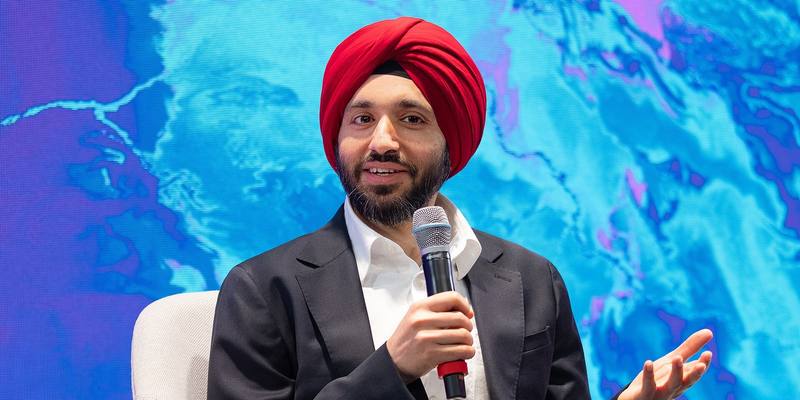
Judge Amit Mehta, US District Court for the District of Columbia
He also found the publishers lacked standing to challenge Google’s monopoly in general search (“As with other plaintiffs appearing before this court, they have not,” he wrote), that Penske hadn’t shown Search and AI Overviews were separate products, and that neither company had properly defined the publishing markets they said Google was trying to take over. With the federal claims gone, he declined to rule on the California unjust enrichment claims.
A judge who isn’t unsympathetic
The opinion is careful to say the publishers have a point, even if it isn’t an antitrust one:
The court does not treat Plaintiffs’ alleged harms lightly. Nor is it unsympathetic to the situation publishers now find themselves in, and the knock-on consequences to journalists, educators, and other online creators whose content Google takes and repurposes without compensation.
Judge Amit Mehta
Penske was the first big US publisher to sue Google over AI Overviews. The ruling leaves publishers without an antitrust route for now, and it comes days after an appeals court handed AI companies a major copyright defeat over training data, a reminder that copyright, not competition law, may be the stronger weapon. Google is fighting on other fronts too, including in Europe. None of the three companies had published a statement on the ruling when this story went out.
Why it matters
AI answers in search are eating into the traffic that pays for journalism, and this was one of the first tests of whether antitrust law could make Google pay for the content it summarises. The answer, for now, is no, but the judge’s own words give publishers and lawmakers ammunition for a fight that is moving to copyright courts and regulators.
Sources: Search Engine Journal (extracts from Judge Mehta’s memorandum opinion, Sept. 30, 2026); Forbes.
Latest Google news