The four services Smith’s bots streamed AI songs on: Spotify, Apple Music, Amazon Music and YouTube Music. Illustrative. Image: Spotify, Apple Music, Amazon Music and YouTube Music logos via Simple Icons (CC0)
A North Carolina man who flooded streaming services with AI-generated songs and played them billions of times with bots is going to prison. A federal judge in Manhattan sentenced Michael Smith to 18 months on Tuesday, Billboard reports, ending the first criminal case in the US over music streaming fraud.
Judge John G. Koeltl also ordered two years of supervised release. Smith, 54, had already agreed to hand over $8,091,843.64, the royalties prosecutors say he took from real artists and songwriters.
Thousands of fake songs, billions of fake plays
Smith pleaded guilty in March to one count of conspiracy to commit wire fraud. Prosecutors say the scheme ran from 2017 to 2024 across Spotify, Apple Music, Amazon Music and YouTube Music. He began by boosting plays of his own music, then switched to mass-producing songs with AI, because spreading fake streams thinly across hundreds of thousands of tracks made them harder to spot.
According to a prosecution filing reported by Music Business Worldwide, he ran as many as 10,000 bot accounts at a time, many on cheap family plans and registered with email addresses bought in bulk under made-up names. Spotify has said its own checks limited what he earned there to about $60,000.
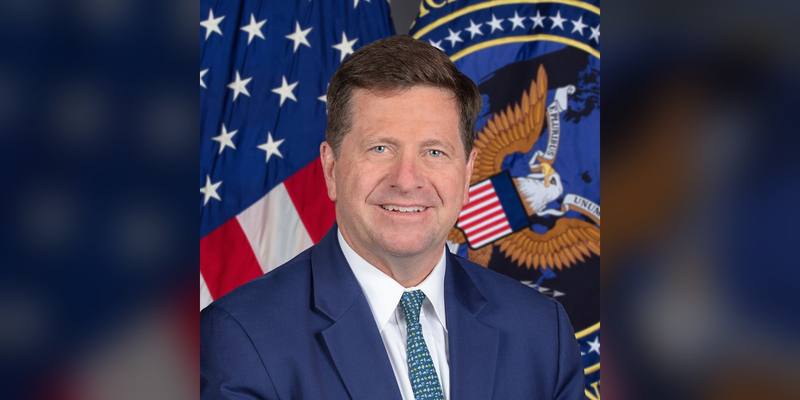
When he pleaded guilty, the US attorney in Manhattan was Jay Clayton, who has since become the director of national intelligence and, as of this week, Donald Trump’s AI czar. His office said at the time:
Michael Smith generated thousands of fake songs using artificial intelligence and then streamed those fake songs billions of times.
Jay Clayton, then US Attorney for the Southern District of New York
“A drop in an ocean”
Smith’s lawyers had asked for no prison time at all. They argued the harm was spread so thinly across millions of artists that “no victim suffered any real harm”, and that the effect of each fake stream on any one artist was “a drop in an ocean”.
Prosecutors wanted at least 46 months, the bottom of the federal guidelines range, warning that “a lenient sentence will send precisely the wrong message”. Probation officials had suggested 24 months. The judge settled on 18.
The prosecutor on the case, Jamie McDonald, said in a statement after the hearing that Smith “robbed millions in royalty payments from genuine artists and their fans” by using bots in place of listeners and “fake songs in the place of creativity”. The Recording Industry Association of America welcomed the sentence, and the Music Fights Fraud Alliance said it would take “more than one case” to stop streaming fraud. Smith’s lawyer didn’t respond to Billboard.
A bigger problem than one man
Streaming services pay royalties from a shared pot divided by share of plays, so every fake stream takes a little money from everyone else. AI music tools have made it cheap to fill that pot with tracks nobody wrote, at the same time as companies like Suno are making AI songs easier to create.
Why it matters
This is the first time anyone in the US has gone to prison for streaming fraud, and the case was built around AI-made music. The sentence is far shorter than prosecutors wanted, but it tells anyone running bot farms on AI tracks that it is a crime, not a grey area.
Sources: Billboard, US Attorney’s Office, SDNY, Music Business Worldwide.
Latest Policy & Safety news