The entrance to Tencent’s headquarters in Shenzhen, China, in 2016. Image: そらみみ / Wikimedia Commons, CC BY-SA 4.0, cropped

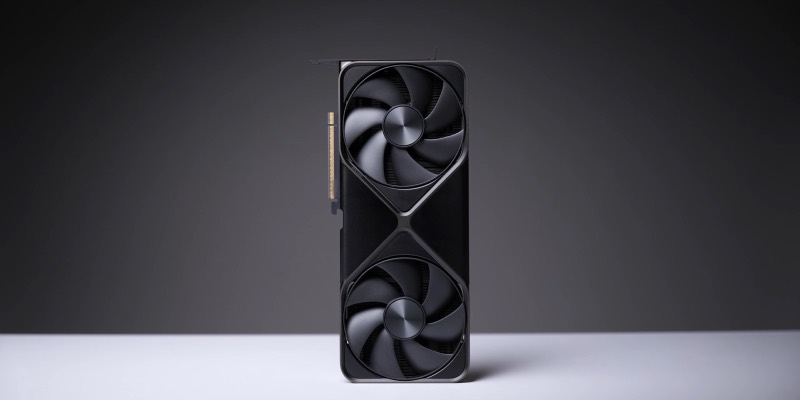
Tencent has signed a deal to rent about 100,000 advanced AI chips from Oracle for roughly $7 billion, the Financial Times reported on Wednesday, using a gap in US export rules that lets Chinese companies rent the chips they aren’t allowed to buy.
The chips sit in several Oracle data centres in Southeast Asia, so they never enter China. The lease runs for five years, and Tencent is paying about 30% of the total upfront, according to the report. It is the largest overseas computing deal Tencent has ever signed.
What the deal involves
The FT said the lease weighed on Tencent’s free cash flow in its second quarter, a sign of how much the company is now spending to stay in the AI race. Tencent is building its own Hunyuan models to compete with DeepSeek and Alibaba, the two Chinese labs that have set the pace at home.
The report didn’t say which chip models are included. Reuters, which carried the story, said it could not immediately verify the figures.
The rental gap in US export rules
US rules stop Chinese companies buying Nvidia’s most advanced AI chips outright. They don’t stop them renting computing power in data centres outside China, and that is how Chinese firms have been getting access to chips that aren’t usually available at home.
Chinese companies have rented computing power abroad before, but not on this scale. At 100,000 chips over five years, it is the kind of capacity that normally goes to the biggest Western labs, and it shows how much of China’s AI work can run on American hardware as long as that hardware stays offshore.
Where it fits
The deal lands as Beijing pushes its own companies towards home-grown chips. Earlier this week DeepSeek released software to help its models run on Huawei’s Ascend chips instead of Nvidia’s, and last week China was reported to be getting ready to let ByteDance and Alibaba buy Nvidia’s new RTX PRO 5500. Chinese companies are also building huge data centres at home, such as the ones rising in Inner Mongolia.
For Oracle, Tencent is another big customer for a cloud business that has been signing huge, multi-year compute contracts as AI demand grows.
Why it matters
Export controls were meant to keep the most powerful AI chips away from Chinese companies, but a $7 billion rental deal shows how easily that computing power can still be bought by the hour from abroad. If deals like this keep growing, pressure will build in Washington to close the rental route, and Chinese firms will have even more reason to back home-grown chips.
Sources: Financial Times, via Reuters.
Latest Chips news