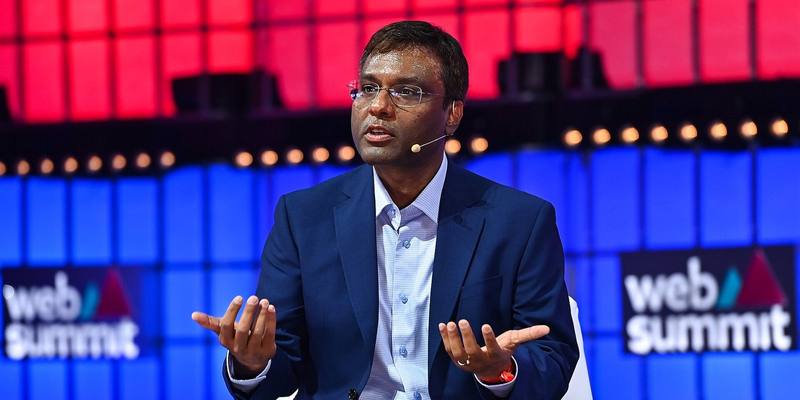
Rohit Prasad, then Amazon’s head scientist for Alexa, speaking at Web Summit in Lisbon in November 2022. Image: Ben McShane / Web Summit via Sportsfile / Wikimedia Commons, CC BY 2.0, cropped
.jpg)
Boston Dynamics has hired the man who built Amazon’s Alexa to run it. The robot maker announced on Tuesday that Rohit Prasad, Amazon’s former head scientist for Alexa and artificial general intelligence, becomes chief executive on Wednesday, October 7.
The company, owned by Hyundai Motor Group, has been without a permanent boss since Robert Playter stepped down in February after 30 years there, with chief financial officer Amanda McMaster filling in.
An AI chief for a robot company
Prasad spent 12 years at Amazon, where he helped build Alexa from its earliest days and, more recently, led the team behind Amazon’s Nova family of AI models for businesses. Before that he spent nearly 14 years at Raytheon BBN Technologies working on machine learning for government and commercial customers. He has lived in the Boston area for more than 25 years.
Boston Dynamics says the hire is about “Physical AI”: putting advanced AI models into its robots and selling them at scale. It currently has three machines: Spot, the four-legged inspection robot; Stretch, which moves boxes in warehouses; and Atlas, its electric humanoid, which it describes as still in development. Prasad is also expected to join the board, subject to approval.
In the company’s announcement, Prasad said:
By bringing together advanced AI and robotics, we can build intelligent systems that create meaningful value in real-world environments, expand the reach of robotics across industries, and shape the next era of Physical AI.
Rohit Prasad, incoming CEO, Boston Dynamics
Jaehoon Chang, Hyundai Motor Group’s vice chair and Boston Dynamics’ chair, said the company’s robots, Prasad’s record of turning AI into products and Hyundai’s factories and logistics give it “a powerful foundation to build and scale Physical AI.”
A crowded humanoid race
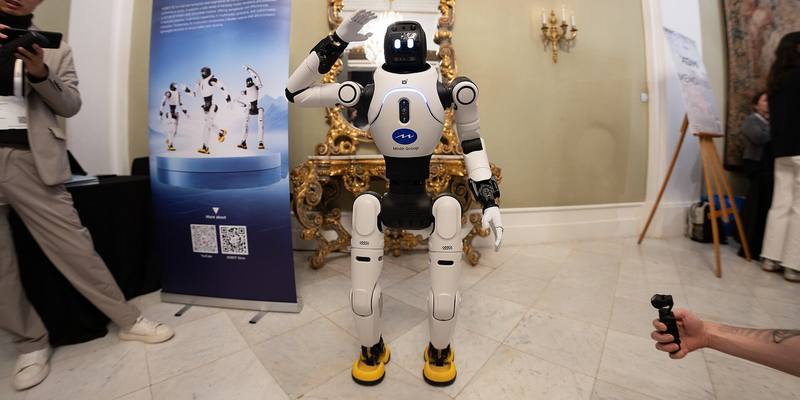
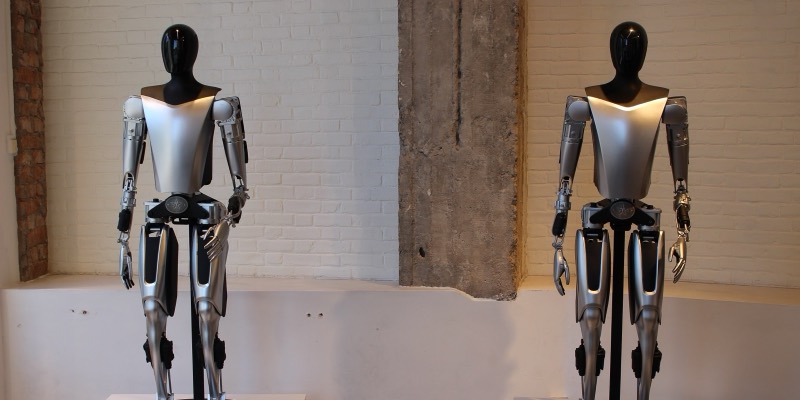
Prasad arrives as the race to build working humanoids speeds up. Chinese companies built more than 95% of the world’s humanoid robots in the first half of this year, and Tesla is pushing its own Optimus robot, with some of its workers balking at training the machines meant to replace them.
Why it matters
The most famous name in robotics has picked an AI model builder, not a robotics engineer, to lead it. That is a clear bet that the next leap for robots will come from their brains rather than their bodies, and that Hyundai wants Atlas and Spot to start earning their keep.
Sources: Boston Dynamics; TechCrunch (Playter’s departure).
Latest Robotics news