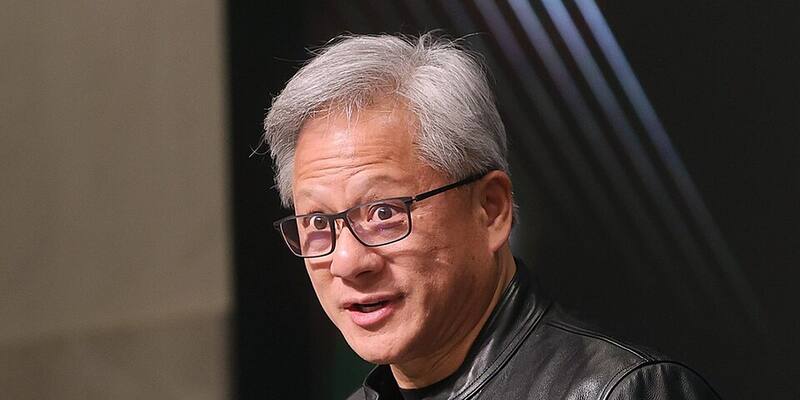
Nvidia CEO Jensen Huang speaking at the first K.T. Li Award ceremony in Taipei in November 2023. Image: Office of the President, Taiwan / Wikimedia Commons, CC BY 2.0, cropped

US intelligence agencies believe a Chinese informant built a close relationship with Nvidia chief executive Jensen Huang, The New York Times reported on Thursday, citing unnamed officials briefed on the classified findings. The woman, Alice Huang, also known as Huang Le, is an executive at Megaspeed, a Singapore data centre company already under US scrutiny over Nvidia’s AI chips.
She is no relation to the Nvidia boss. According to the Times, officials who were watching her over suspected chip smuggling concluded that she was passing information to Beijing, and a process called “unmasking”, which identifies Americans caught up in classified surveillance, showed that one of her contacts was Jensen Huang. President Donald Trump was briefed about a year ago and chose not to act, the paper says, wary of disrupting Nvidia’s chip sales and trade ties with China. Huang has not been given a defensive briefing, the warning US agencies sometimes give Americans targeted by foreign spies.
Nothing in the reporting says Huang knew of her suspected role or shared anything confidential with her, and no one has been charged.
What Megaspeed is accused of
Megaspeed was set up in 2023, and Alice Huang was listed as its managing director for its first months before her name was removed from that role in company paperwork, according to the Times. The Commerce Department began looking at the company in late 2024 after an official visiting one of its data centres in Malaysia saw Nvidia equipment still sitting in boxes, raising suspicion that the chips were destined elsewhere. Singapore police said last year they were also investigating whether it broke local law.
US officials suspect Megaspeed and its affiliates of giving Chinese firms access to advanced computing through data centres in Southeast Asia. A Malaysian sister company bought at least $4.8 billion (about £3.6 billion) of AI hardware containing Nvidia chips between June 2024 and February 2026, the Times says, citing trade records.
White House officials are alarmed by her access precisely because Huang has grown close to Trump, the Times says. He has lobbied hard against limits on selling Nvidia chips to China, and last December the administration let Nvidia sell its H200 chips to Chinese buyers (OpenAI, once a backer of tight controls, has since gone quiet on the issue). Last week he was in Berlin promising a “ChatGPT moment” for robots.
Nvidia: “not unusual or unexpected”
Nvidia played down the contact. “Jensen’s interactions with Ms. Huang are not unusual or unexpected,” a spokesperson told Gizmodo. “Meetings with customers are part of a CEO’s job; Jensen talks with thousands of customer executives every year.”
The company said customers such as Megaspeed “receive ordinary business information”, not sensitive Nvidia trade secrets, and “zero information relevant to national security”. It said claims that Megaspeed had diverted chips to China “were thoroughly investigated and debunked last year”, and argued that Beijing has no need for chips from regional clouds because it has blocked US AI chips to protect its own industry.
Nvidia also suggested it had heard nothing from Washington. “We’re confident that if the U.S. government believes that any person is a threat to American industry, it would let us know,” the spokesperson said. “We often receive updates from the U.S. government regarding parties and entities of concern and always act accordingly.”
Megaspeed and Beijing respond
Megaspeed said it had begun an internal investigation, according to the Times. The Chinese embassy in Washington rejected the report as “groundless smears and slanders” against China. The Times did not say whether Alice Huang is still connected to the company, and she has not commented publicly.
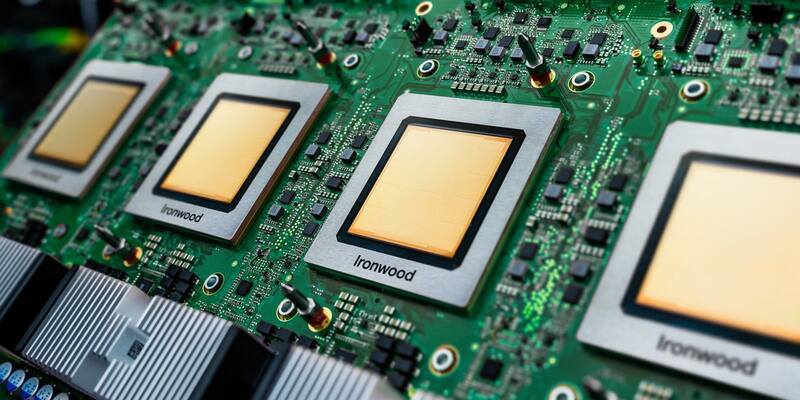
The case adds to a string of US actions over Chinese access to American AI technology, including sanctions on a Chinese start-up accelerator over stolen Google AI chip secrets earlier this month.
Why it matters
Nvidia’s chips are the most fought-over product in the AI race, and its CEO is one of the most influential voices on US chip policy. If the officials quoted by the Times are right, Beijing’s interest in Nvidia reaches past smuggled hardware to the man shaping Washington’s export rules, and he was never warned.
Sources: The New York Times; Gizmodo (Nvidia statement); CNBC (Singapore investigation, Oct 2025)
Latest Chips news