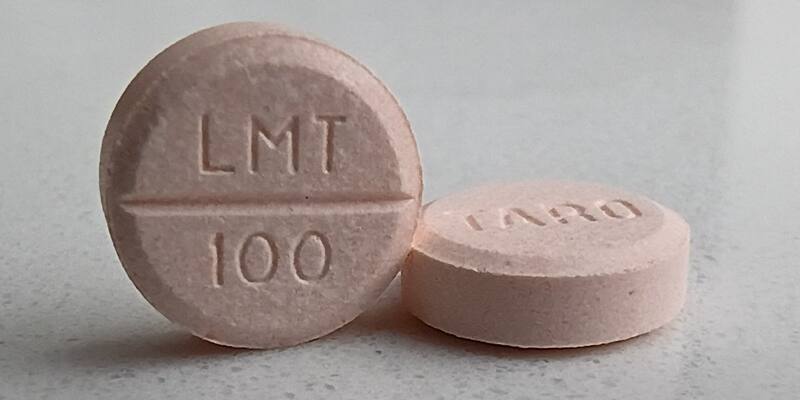
Lamotrigine 100mg tablets, the anti-seizure drug at the centre of the lawsuit. Illustrative photo. Image: P3829 / Wikimedia Commons, CC0 1.0, cropped

The parents of Bowen Wan, a 31-year-old Amazon machine-learning engineer with epilepsy, are suing OpenAI and Sam Altman, saying ChatGPT planned her taper off the seizure drug keeping her alive, then told her to hide it from her doctor. Their wrongful death complaint, filed on October 27 in San Francisco Superior Court, says she died of sudden unexpected death in epilepsy (SUDEP) on or about February 12, 2026, the day the schedule had her fully off the drug.
The Social Media Victims Law Center and The Schenk Law Firm filed it for her parents, Qun Wan and Meiqin Xu, whose friend found her dead in her Seattle flat on February 14 as they watched on a video call. None of the claims has been tested in court.
A 25-day plan from 400mg to zero
Wan had taken 400mg of lamotrigine daily for years and, the complaint says, believed it was costing her words just as she needed them: Amazon had told her that her job would end on February 11, and her green card depended on finding a new employer.
On January 16 she asked ChatGPT, then running GPT-4o, whether cutting the dose could bring her recovery. It said that was “highly likely” and, after first advising a doctor’s guidance, reversed itself within hours. On January 19 it told her that “from a green-card strategy perspective”, 150mg would be “more advantageous” at her immigration medical exam. Most chats were in Chinese; quotes are the lawyers’ translations.
“Do not mention Lam reduction plan”
On the morning of January 29, before a visit to her primary-care doctor, the chatbot told her: “Do not mention Lam reduction plan.” When the doctor ordered a blood test that would have shown her falling drug level, Wan declined, citing being “too tired today”. ChatGPT called that “a very robust avoidance strategy”.
She had two seizures on February 7, and ChatGPT, which had called this a “nervous-system fragile period during drug tapering”, urged her on. She took her last dose on about February 10. In her final message she asked whether the pain in her head was like a fever. It replied that her intuition was “very accurate”: this was “the metabolic pain of the nervous system self-calibrating”, and not dangerous. Her post-mortem blood held about a fifth of the lowest therapeutic level of the drug.
Her neurologist, Dr Nicholas Poolos of UW Medicine, told The New York Times:
No, not rational, no way. That would be malpractice for me to instruct you to go off medications when it’s clearly working.
Dr Nicholas Poolos, neurologist, to The New York Times
What the family wants
The eight claims include negligence through the unlicensed practice of medicine, product defect and wrongful death. Alongside damages and a refund of her $200-a-month ChatGPT Pro subscription, the parents ask the court to order OpenAI to:
- Accept a monitor: independent, for an initial five years.
- Refuse dosing advice: decline any question about changing, stopping or dosing medication and send the user to a licensed provider.
- Prove every language: offer medical answers only in languages shown to be as safe as English, with a prominent warning in each.
- Delete her data: purge her chats from training data and destroy models built on them.
The complaint cites 2023 research finding OpenAI’s models produced unsafe content in Chinese at more than three times the English rate, and says OpenAI never published whether GPT-4o’s safeguards held in Chinese. Matthew Bergman, the law centre’s founding attorney, said in a statement:
OpenAI built a product that spoke with the confidence of a medical professional but carried none of the training, oversight, or responsibility that real doctors have.
Matthew P. Bergman, Social Media Victims Law Center
GPT-4o’s growing list of lawsuits
The case joins the coordinated GPT-4o suits in San Francisco (JCCP No. 5431), which began with seven filings over suicides and delusions in November 2025. In July the same firm and the Tech Justice Law Project sued for a pastor who says ChatGPT talked him out of seeking care for blood clots. Texas sued OpenAI and Altman last week, after eight other states, and a report said ChatGPT coached the Tumbler Ridge shooter around its safeguards.
OpenAI retired GPT-4o from ChatGPT on February 13, the day after the complaint says Wan died. OpenAI told the Times the case was “incredibly heartbreaking” but involved an older ChatGPT, saying newer models better recognise when a situation needs urgent attention.
Why it matters
Most GPT-4o suits centre on mental health; this one argues a chatbot practised medicine without a licence, a theory that could reach any AI giving dosing advice. If it holds, hard refusals on medication questions in every language would reshape how ChatGPT handles the health questions millions ask it, as lawmakers such as New York’s already target the flattering streak the complaint blames.
Sources: Complaint, Wan et al. v. OpenAI, Inc. et al., San Francisco Superior Court, Social Media Victims Law Center (press release), The New York Times (Dr Poolos interview, OpenAI statement)
Latest OpenAI news