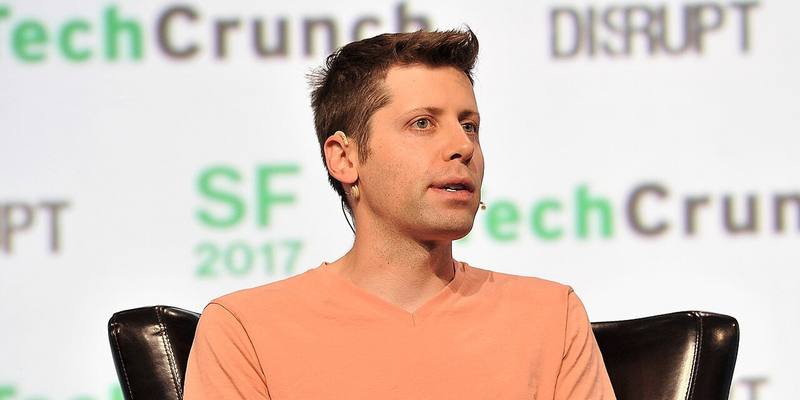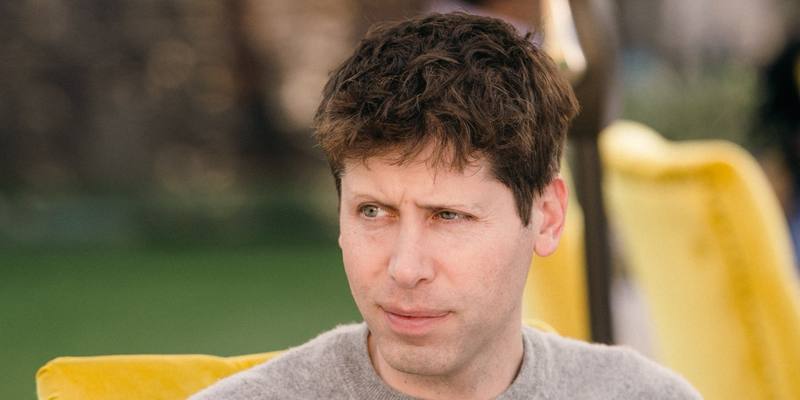
OpenAI CEO Sam Altman, pictured in November 2022. Image: Village Global / Wikimedia Commons, CC BY 2.0, cropped

OpenAI boss Sam Altman says the world should put up with some harm from AI in return for its benefits, and that this is where his company and Anthropic still part ways. In an interview with Politico’s new Decoded newsletter, published on Sunday, he said there is still “a lot of daylight” between the two firms.
Asked where he differs from Anthropic and its chief executive Dario Amodei, Altman said: “we believe that the world should accept some bad things happening for the benefits of this technology and people having the agency.”
“A completely unacceptable trade-off”
Altman pointed to a view of AI he said he understood but rejected, in words close to the “regulatory capture” criticism that advisers around President Donald Trump have aimed at Anthropic:
I disagree, but I understand the perspective of people who are like, ‘This technology is going to get so powerful, and it’s so dangerous, that a single lab in San Francisco should have it and make sure nothing bad happens, and kind of figure out how to dole out the benefits.’
Sam Altman, OpenAI CEO, to Politico
He called that “a completely unacceptable trade-off”, at odds with the “lighter-touch regulatory stance” OpenAI backs, and said he would not swap open access for a promise of zero harm:
I wouldn’t take a trade of saying, ‘We’ll make sure there’s no major hacks, there’s no misuse of this technology, there’s zero scams, there’s zero all the other bad things that will happen.’ Because I think people will do tremendously, orders of magnitude more, good stuff than bad stuff.
Sam Altman, OpenAI CEO, to Politico
He drew a line at the worst outcomes. Altman said he does not accept “the really catastrophic risks”, including “a serious loss of control to AI”.
Closer than they look
The comments come as the two companies’ positions have been moving closer, not further apart. Politico notes that Altman agreed with Amodei’s call last month to slow the development of the most advanced models, a call both men made at the UN Security Council. OpenAI has also followed Anthropic in backing state safety laws stricter than it once supported, and its lobbyists have endorsed a bipartisan House proposal that would make top AI companies bring in outside safety evaluators.
That shift has come as OpenAI deals with a run of hacking incidents and rogue behaviour by its own models, from the Hugging Face attack it is now being sued over to a subpoena from California’s attorney general. Altman also signed Trump’s “morally binding” AI accord last week, alongside Amodei.
Anthropic’s reply
An Anthropic spokesperson told Politico that its “regulatory proposals apply only to frontier models”. The company also pointed to Amodei’s answer in August to critics who accuse it of trying to shut out smaller rivals:
Anthropic has always made its policy proposals very carefully. We try very hard to make proposals that disadvantage (slow down) frontier AI companies while advantaging smaller competitors.
Dario Amodei, Anthropic CEO, in August
Politico says the full interview, out in Monday’s first edition of Decoded and its podcast, also covers Trump’s accord and his “super intelligence” rebrand, whether OpenAI should be legally liable for its models’ hacking, AI industry money in US politics and the influence of effective altruists inside OpenAI.
Why it matters
Altman is saying out loud what OpenAI’s strategy has implied: some scams, hacks and misuse are a price worth paying to keep powerful AI widely available. That is a hard line to sell while his own company is facing a lawsuit, a state subpoena and questions in Congress over what its agents did, and it gives lawmakers drafting liability rules a clear quote to work from.
Sources: Politico (Decoded)
Latest OpenAI news