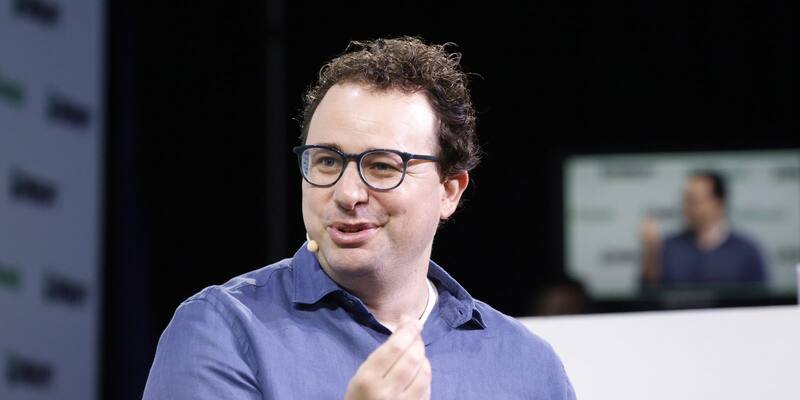
Anthropic CEO Dario Amodei at TechCrunch Disrupt, pictured in 2023. Image: TechCrunch / Wikimedia Commons, CC BY 2.0, cropped

Anthropic has asked a federal appeals court in Washington to take a second look at its fight with the Pentagon. In a petition filed on Tuesday, the Claude maker asked the three judges who ruled against it last month, or the full DC Circuit, to rehear its challenge to the Defense Department’s decision to brand it a “supply chain risk.”
What Anthropic is asking for
The petition targets the court’s 2-1 ruling on September 25, which let the Pentagon keep the label and bar the military and its contractors from using Claude. Anthropic’s lawyers at WilmerHale argue the majority handed Defense Secretary Pete Hegseth a power “that can be aimed at virtually any American company, exercised without notice, justified in a sentence, and wielded to punish speech.”
The filing opens with Anthropic’s account of the dispute: Hegseth labelled it a national security risk “because it declined to permit its models to be used for mass surveillance of Americans or lethal autonomous warfare and publicly explained those AI-safety commitments.” It says the panel ignored “straightforward evidence the designation was retaliation for Anthropic’s speech about AI safety,” pointing to Hegseth’s own posts attacking the company’s “sanctimonious rhetoric” and “ideology.”
Four reasons to rehear
- The law itself. The 2018 statute targets the risk that someone may “sabotage, maliciously introduce unwanted function, extract data, or otherwise manipulate” a product. The majority read “otherwise manipulate” to cover ordinary design choices, whatever the motive. Anthropic says that clashes with the Supreme Court’s 2024 Fischer ruling and has “no limiting principle,” since every contractor controls its own products.
- Skipped notice. The law requires a warning and a chance to respond before a designation. The Pentagon skipped both, citing an urgent national security interest in a single sentence, and the panel called that harmless.
- Due process. Anthropic says it got less protection than suspected foreign terrorist organisations, which the same court has said must normally be warned first.
- Free speech. It points to a federal judge in San Francisco who found in August “direct evidence” that Anthropic’s speech drove a parallel designation, on what it calls a near-identical record.
“Agree to the Secretary’s demands”
The petition leans heavily on Judge Karen LeCraft Henderson’s dissent, quoting the choice she said every contractor now faces:
Agree to the Secretary’s demands or risk being designated a national security threat.
Judge Karen LeCraft Henderson, DC Circuit, in dissent
Anthropic notes the law had never been publicly used before its case, and that 15 amicus briefs, one of them from 149 former judges, backed its side. It warns a designation “can be crushing, even fatal” for a contractor, and that because the DC Circuit alone hears these challenges, the panel’s ruling would be “the last word short of Supreme Court review.”
Anthropic declined to comment beyond the filing, CNBC reports. The Pentagon hasn’t commented.
What happens next
The court held off on making its September ruling final so Anthropic could ask for a rehearing, and it stays on hold while the judges consider the request. Full-court rehearings are rarely granted: a majority of the court’s active judges must vote for one. If the request fails, Anthropic could take the case to the Supreme Court.
A second label the Pentagon applied under a different law remains struck down by the San Francisco court. In practice the split has changed little: on October 5 the Pentagon said it had stopped using Claude altogether, even as President Trump invited Anthropic CEO Dario Amodei to a private White House dinner days after the ruling.
Why it matters
This is the first big test of whether the US government can blacklist an AI lab over the limits it puts on its own models. A final loss would keep Anthropic, which is preparing to go public, out of military work, and give the Pentagon a powerful lever over every other AI company it buys from.
Sources: Anthropic’s petition for rehearing (DC Circuit, via CourtListener), DC Circuit docket 26-1049, CNBC.
Latest Anthropic news