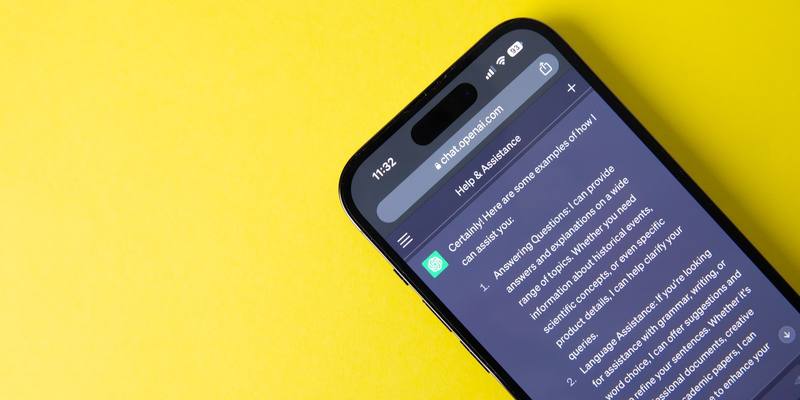
ChatGPT on a phone. Illustrative. Image: Jernej Furman / Wikimedia Commons, CC BY 2.0, cropped
.jpg)
OpenAI is bringing picture ads to ChatGPT, and the first place you’ll see them is while it generates an image for you. The company announced the new visual ad format on Monday, along with a long list of tracking partners meant to show advertisers what their money buys.
Testing starts “later this month in the US with an initial group of advertisers,” OpenAI said. ChatGPT already shows text ads to adults on its Free and Go plans, under the advertising principles it published when ads first arrived.
What the new ads look like
The new format uses images “showing product inspiration, product usage, or the experiences they make possible,” so people can see how a product or service “could fit into their lives.” In other words, ads that look a lot like the pictures ChatGPT makes itself.
OpenAI is testing them first during image generation, the moment when a user is sitting and waiting for a picture to appear. It says the ads “will be clearly labeled, and remain separate from the image being created,” and repeats its promise that “advertising does not influence the answers ChatGPT provides.” It didn’t say how often the ads will appear, which plans will see them, or when they might spread beyond the US.
Tracking what happens after the ad
Most of Monday’s news is aimed at advertisers rather than users. In a post on its ads blog, OpenAI said it now supports a tracking pixel and a Conversions API, so brands can report purchases, sign-ups and app installs back to ChatGPT Ads and use them to target campaigns. It listed more than 20 partners, including:
- Data connections: Hightouch, Tealium and LiveRamp, which help brands send their sales data to ChatGPT Ads.
- Attribution: AppsFlyer, Triple Whale, Adjust, DV Rockerbox, Northbeam, Branch, Singular, Kochava, Airbridge and Tenjin.
- Experiments: Haus, Measured and WorkMagic, running location-based tests of whether ads bring in extra sales, plus early brand surveys with Kantar and Cint.
OpenAI also argues that clicks undersell its ads, because people often buy something later without clicking. It says that in an early analysis, 52.7% of eligible one-day “view-through” conversions happened within an hour of someone seeing an ad. Advertisers can now count those in their reports.
It shared early results from partners, all unverified: DV Rockerbox put WeightWatchers’ cost per sale on ChatGPT 15.3% below its paid search benchmark, WorkMagic said 67% of extra purchases for wellness brand Dose came from new customers, and Triple Whale said 93% of Portland Leather’s visitors from ChatGPT ads were new.
Keeping ads out of sensitive chats
OpenAI says its guardrails judge whether a conversation is suitable for ads, keeping them out of “emotionally vulnerable, sensitive, or otherwise unsuitable contexts.” Qualifying advertisers can now add “Negative Phrases” to keep their ads away from topics they don’t want to sit next to.
It is also running brand-safety pilots with DoubleVerify and Integral Ad Science, which will test how its rules are applied “in a controlled testing environment, without accessing private user conversations.” Our guide to what AI companies do with your chats explains how ChatGPT matches ads to your conversations and how to turn personalisation off.
Why it matters
OpenAI says ChatGPT reaches 1.2 billion people a week, and ads let it “serve a much larger market than subscriptions alone.” Putting pictures in front of people while they wait for an image is a clear step towards a full ad business, the kind Google and Meta built, and as we argued in our look at who really has the edge in AI, distribution is where those rivals are strongest. The tracking partners show OpenAI wants advertisers to treat ChatGPT like any other big ad platform.
Sources: OpenAI, OpenAI Ads blog, OpenAI advertising principles.
Latest OpenAI news