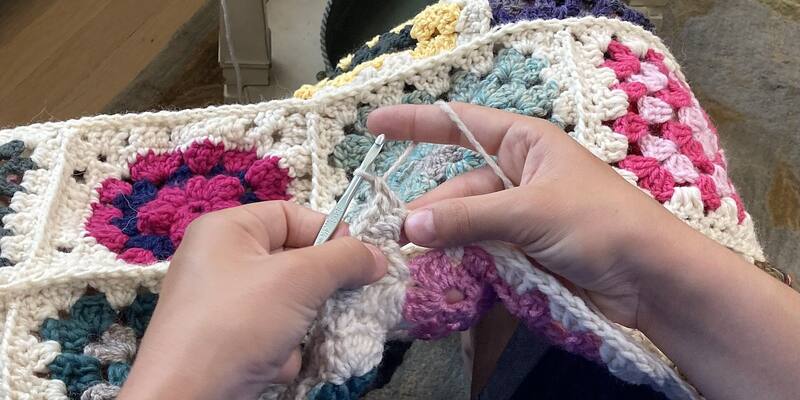
A crocheter working on a granny-square blanket (illustrative). Etsy now requires pattern sellers to show a real finished result. Image: Kravk / Wikimedia Commons, CC0, cropped

Etsy has banned AI-generated crochet patterns, recipes and other step-by-step instructions from its marketplace. In a Seller Handbook post on Thursday headed “Important updates to AI use on Etsy”, the company told sellers that “AI-generated functional guides are no longer allowed on Etsy”, and that anyone selling one will now have to prove it works.
The change lands after years of complaints from buyers who paid for knitting and crochet patterns, often sold as cheap digital downloads, that produced something nothing like the photo, or nothing at all.
What Etsy has banned
Etsy calls the category “functional guides”: patterns, recipes and instructions that a buyer relies on to make or do something. That takes in knitting, crochet and sewing patterns, cooking recipes and similar how-to guides. The new rule is short:
- Your own work: for these listings, “the information buyers rely on must be your own work”, Etsy says.
- A real result: sellers must show an actual finished item made from their instructions, not an AI-generated or simulated image of what it might look like.
- No bots: listings generated with no human involvement are banned outright. Etsy says they will be removed, and the shop may be removed too.
Selling AI prompts on their own has been banned since 2024, and that stays.
In a video for sellers, James Ossman, Etsy’s vice president of customer operations, confirmed that instructions must be the seller’s original work. He acknowledged that Etsy hasn’t always dealt with sellers’ worries about AI as directly or as quickly as they wanted, and said tools to verify who made something are being built, without giving details.
AI art is still allowed
This is not a ban on AI. Etsy says it will “continue to allow AI-generated art when sellers play a clear creative role in what they create and are transparent about their process”. Sellers still have to disclose when an item was made with AI, and can’t pass it off as handmade or entirely their own work, under its existing rules on AI creations.
Photos are tightening too. A new Listing Image Requirements policy says most listings need at least one unedited photo of the actual item. AI can still be used to fix lighting, crop a shot or tidy a background, and Etsy recommends saying so in the description. Digital downloads should show a preview or excerpt of what the buyer gets.
How Etsy says it will enforce it
The handbook post gives no grace period or deadline for existing listings. Enforcement comes in a few layers:
- Refunds: if a listing breaks the image rules and a buyer opens a case because the item is materially different, the seller may have to refund them.
- Removals: misleading listings can be taken down, and repeat offenders risk losing their shop. Etsy says it is investing in detection tools and plans to expand removals over the coming months.
- Warnings at upload: sellers will see a notice when Etsy detects an AI image, with plans to extend this to existing listings.
- Buyer reports: shoppers get a new option to report misleading AI imagery, though Etsy says those reports will at first help it understand the problem rather than trigger immediate action.
Appeals go through the Policy Violations page in Shop Manager.
Why patterns became the flashpoint
Crochet buyers have been complaining since at least 2024 that AI-made product photos were being used to sell patterns whose results looked nothing like the listing. Unlike a bad print, a broken pattern often isn’t discovered until someone has bought the yarn and spent hours on it.
Etsy is the latest platform to draw a line on AI-generated filler. Spotify has pulled 50 million AI slop tracks from its recommendations this year, and YouTube Music has started labelling AI-made songs in its player.
Why it matters
Etsy is drawing its line at usefulness rather than at AI itself: AI art can stay, but instructions people pay to follow must come from someone who has actually followed them. Whether that holds depends on enforcement, and on Etsy reliably telling a pattern someone has tested from one a machine wrote.
Sources: Etsy Seller Handbook, “Important updates to AI use on Etsy”; Etsy Listing Image Requirements; Etsy, “What is Etsy’s stance on AI creations?”; NBC News (2024).
Latest Business news